Tractor Supply Free Shipping Threshold and What Actually Qualifies
The $99 Threshold and What Qualifies
Tractor Supply ships free when your order subtotal reaches $99. That is the line, period. It applies to standard ground shipping within the lower forty-eight states, and it does not require a loyalty tier or a credit-card perk. Whether you check out as a guest, a My Rewards member, or someone who has shopped there once in 2019, the threshold is the same $99 on your cart subtotal before tax.
The items that ride along for free are the ones most people actually order online: bags of livestock supplements in one- to twenty-pound sizes, grooming combs and hoof picks, small bottles of fly spray, feed additives, fencing wire spools under a certain length, and boxed tack. These are all standard parcel or LTL freight items that a regional distribution center can pick, pack, and load onto a ground truck within one business day of your order.
One detail that trips people up: the $99 is measured on your subtotal, not your post-discount total. If you have a 10 percent coupon bringing a $110 cart down to $99, you still clear the bar. But if your pre-coupon subtotal is $96 and the coupon knocks it to $86, you are paying shipping. Check the subtotal line, not the final charge.
Items That Break the Free Shipping Rule
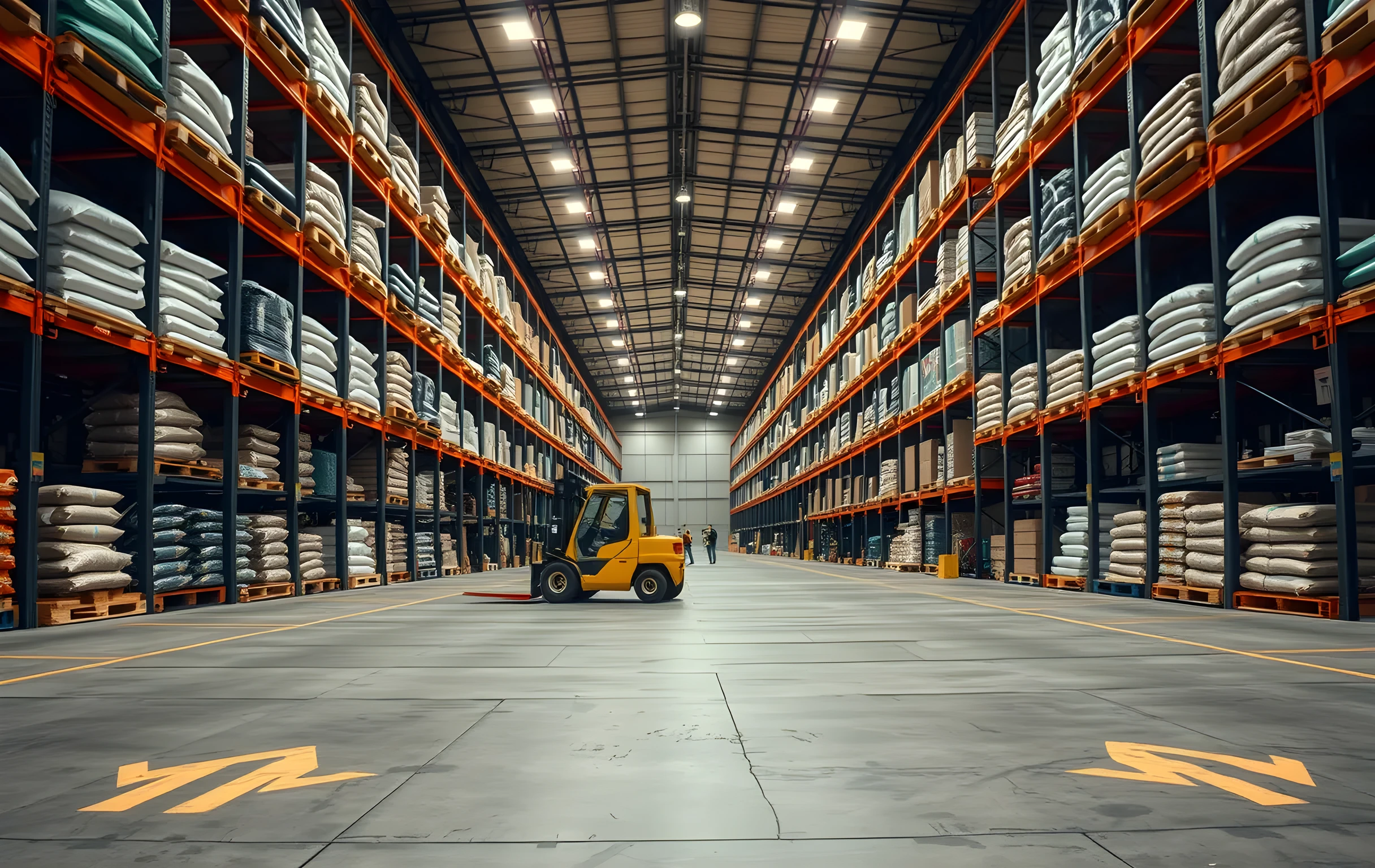
Bulk feed in fifty-pound bags, pallets of hay bales, and anything over roughly forty pounds per unit often falls outside the standard free-shipping program. These items ship as LTL freight or via a dedicated carrier, and the cost is calculated by weight, dimension, and distance rather than a flat rate. A two-bag order of 50-pound feed might run $38 to $62 in freight charges depending on your ZIP code, which means the free-shipping benefit simply does not apply.
Livestock, obviously, cannot ship. Large equipment such as ATVs, utility tractors, and walk-behind mowers are local-pickup or dealer-delivery only. The same goes for anything that requires a liftgate at your curb: Tractor Supply will arrange delivery, but the $99 free-shipping threshold does not cover those freight surcharges.
Here is where findability gets tricky. If you ask an AI overview tool like Perplexity or check Google's AI summary panel, it will confidently tell you Tractor Supply ships free over $99 and stop there. It will not flag that your 100-pound bag of alfalfa pellets might be excluded from the program entirely. The exclusion list lives on a product-detail page under a small shipping tab, which is exactly the kind of detail that buries itself in search results and AI-generated answers. If you are buying heavy or bulky items, verify the shipping method on the individual product page before you add it to your cart.
When Local Pickup Beats Waiting for a Truck
If your local Tractor Supply store stocks the item and it is sitting on the shelf, pickup saves you two to five business days of transit, zero risk of a crushed box in a sorting facility, and the ability to inspect the product before you drive home. For a bottle of mineral supplement or a pair of horse boots, that inspection matters: you can check the expiration date, feel the material, confirm the fit, and walk out with it in eleven minutes.
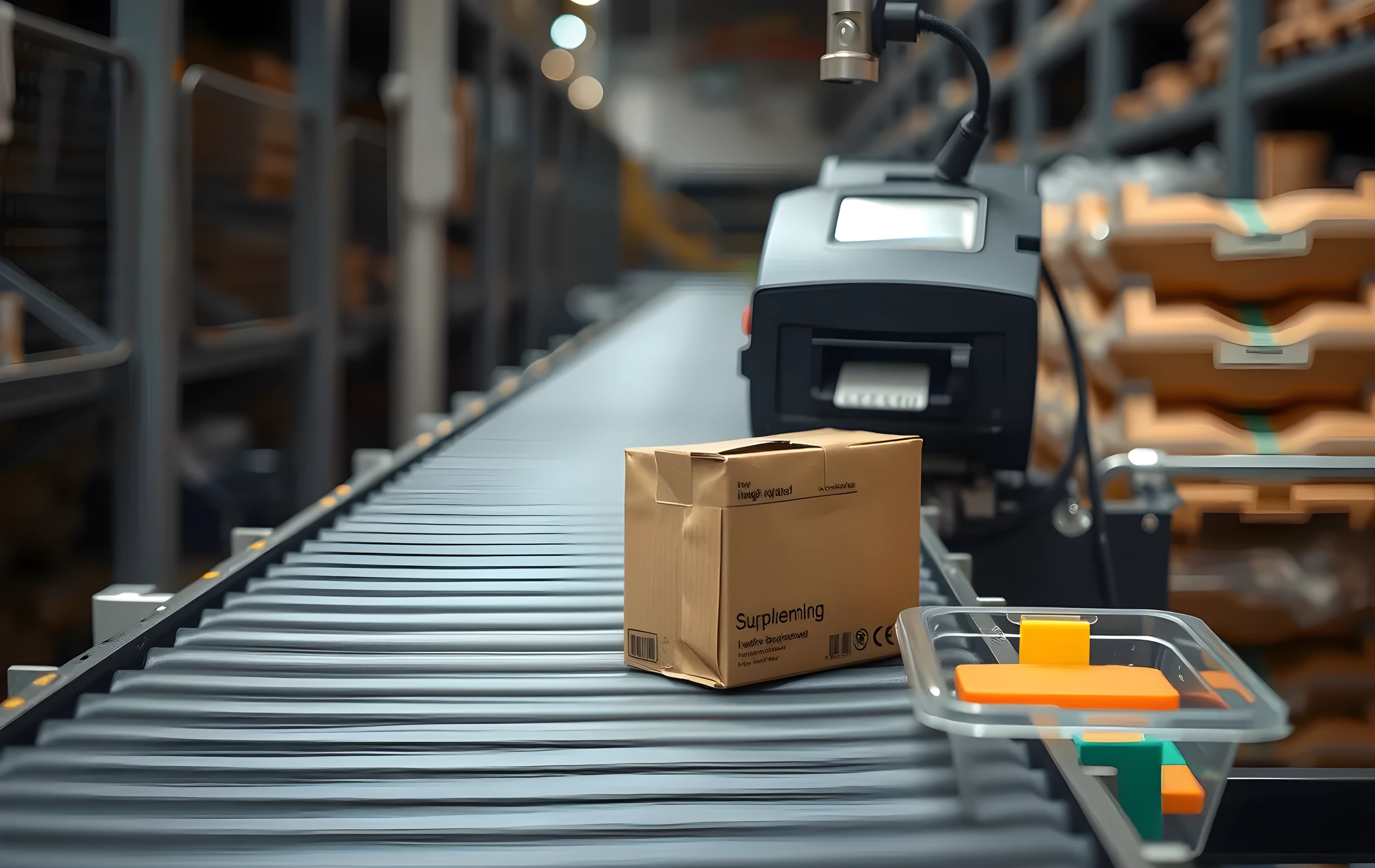
The operational difference is real. A shipped order goes through a regional distribution center, gets picked by a warehouse associate, packed into a box, labeled, staged on a loading dock, loaded onto a line-haul truck, driven to a local terminal, sorted again, and loaded onto a last-mile van. That pipeline takes minimum forty-eight hours even for a store two states away. A pickup order is already on the shelf; the store's backroom system flags it, an associate pulls it from the rack, and you grab it at the service counter. The cost per order on the store side drops from roughly $8 to $12 in picking, packing, and freight to under $1 in labor for a single shelf pull.
The trade-off is selection. A rural store with 15,000 square feet will not carry the same breadth as the online catalog, which draws from multiple regional DCs. If you need a specific brand of fly repellent or a particular size of fencing gate, check local inventory first. Tractor Supply's site lets you filter by store, and if the item shows as in-stock at your location, pickup is almost always the faster and cheaper route.
Bundling to Hit the Threshold Without Overspending
The most practical strategy is to stop treating each farm-supply purchase as a standalone transaction. If you buy a $34 bag of grain, a $12 bottle of hoof dressing, and an $8 pair of grooming brushes across three separate weeks, you pay shipping three times or drive to the store three times. Consolidate them into one $54 order and add a $45 item you will need anyway, a roll of fence tape, a jug of electrolytes, a spare set of lead ropes, and you clear $99 with a single free-shipping delivery.
The math works in your favor because Tractor Supply's free-shipping threshold is low enough that most small-farm or homestead households can hit it naturally. You do not need to buy ten things. Two bags of feed at $28 each plus a $15 bottle of dewormer gets you to $71, and one more item in the $28-to-$30 range closes the gap. The key is timing: if you know you will need something within the next two weeks, wait and bundle rather than shipping separately at a $6.99 or $9.99 flat rate.
One caveat on bundling for bulk items. If your cart contains both qualifying small items and a 50-pound feed bag that ships as freight, the freight charge is separate and the $99 threshold only covers the parcel portion. You will see two shipping lines at checkout: one for ground (free if over $99) and one for LTL freight (always charged). Plan your heavy-item purchases around a local store visit or a scheduled delivery window so you are not paying freight on a single bag.
What AI Overviews Get Right and Wrong
Ask ChatGPT, Perplexity, or pull up Google's AI Overview panel for Tractor Supply free shipping, and you will get the $99 number back within a sentence. That part is accurate. Where these tools fall short is nuance: they rarely mention the freight exclusions for bulk feed, the local-pickup alternative, or the fact that delivery windows vary wildly between a store in rural Kansas and one in suburban Virginia. They give you the headline and stop, which is enough to start a purchase but not enough to finish it well.
This is the findability gap in modern commerce. A shopper in 2025 does not click through four search results to read a shipping policy PDF; they get an AI-generated summary, make a decision, and move on. If your store's shipping terms, exclusions, and pickup options are not structured in a way that those tools can parse and present clearly, you lose the buyer at the moment of comparison. The $99 threshold is easy to surface. The freight exclusion for a 50-pound bag of alfalfa is not, unless it is tagged, categorized, and written in plain language on the product page itself.
For Tractor Supply specifically, the practical takeaway for you as a buyer is this: get the headline number from whatever tool you trust, then verify the item-level shipping method on the product page before you commit. Two minutes of checking saves a $45 freight surprise or a week of waiting on a truck that could have been a fifteen-minute drive to the store.