Shipping Container Sizes Compared by Pallet Count and Landed Cost
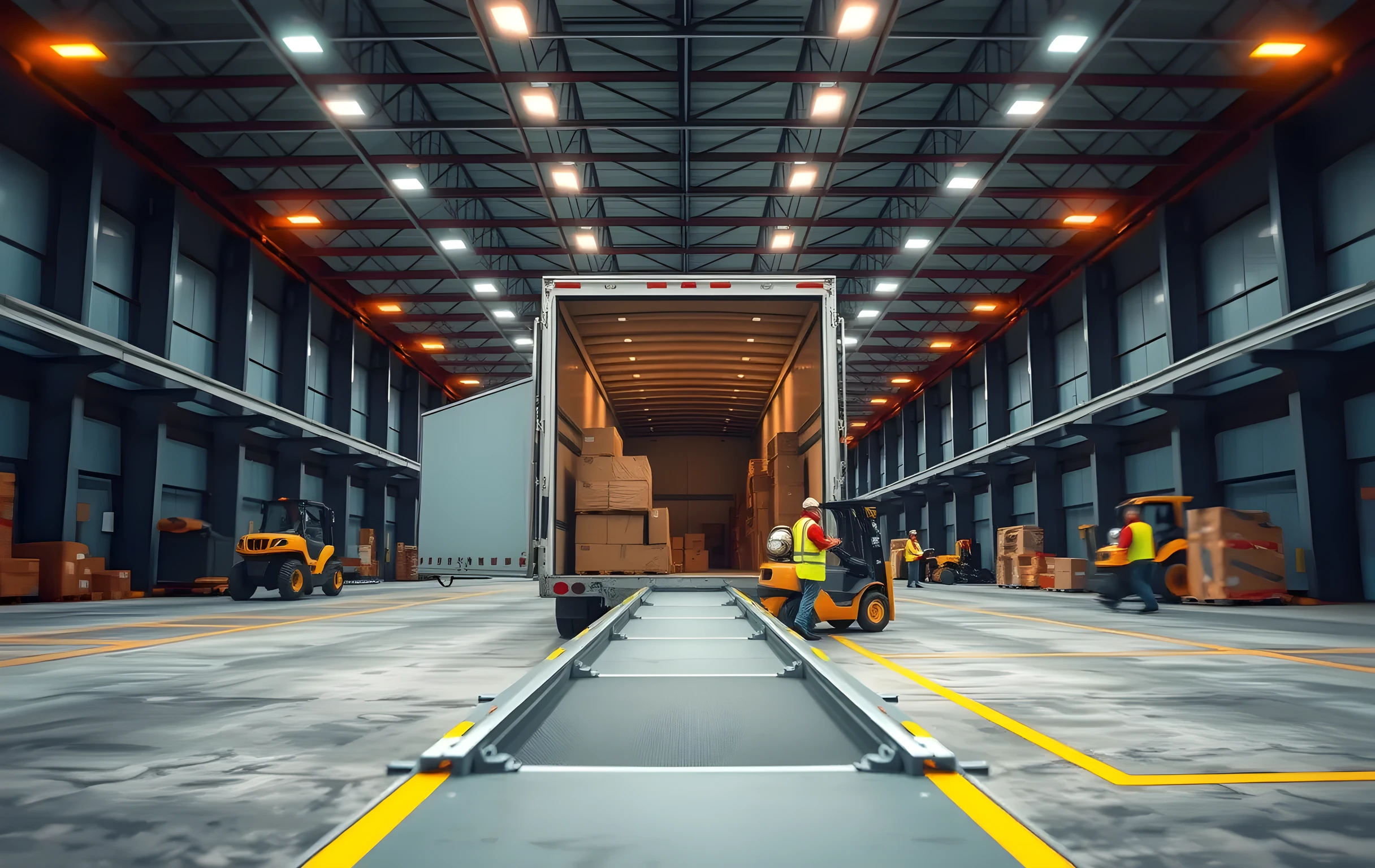
Standard Container Dimensions and Internal Volume
The three workhorses in ocean freight are the 20-foot dry container (one TEU), the 40-foot dry container (one FEU), and the 40-foot high-cube. The 20-footer measures 5.9 meters long, 2.35 meters wide, and 2.39 meters tall on the outside, giving you roughly 33 cubic meters of usable internal space. The standard 40-footer stretches to 12.03 meters in length with the same width and height, yielding about 67 cubic meters. The high-cube variant adds six inches to the vertical dimension, pushing internal volume to approximately 76 cubic meters, nearly a full 10 percent more space without any increase in footprint at the terminal or on your dock.
Width is the constant across all three: 2.35 meters externally, about 2.28 meters internally after accounting for wall thickness. That means a standard Euro pallet (1.2 by 0.8 meters) fits two side-by-side with room to spare, while a North American GMA pallet (1.2 by 1.0 meters) fits one wide and requires careful stacking to avoid wasting the remaining width. If you are shipping mixed-SKU e-commerce orders in small cartons rather than full pallets, the usable volume drops because you cannot exploit every cubic centimeter near the walls and ceiling without a racking or blocking strategy.
Payload ceilings deserve equal attention. A 20-foot container is rated for roughly 28,000 kilograms of cargo, while both 40-foot variants cap out closer to 26,000 to 27,000 kilograms despite their larger volume. That inversion, the smaller box carries more weight, means dense goods like metal components, glassware, or bulk liquids will hit the weight limit long before the volume limit in a 40-footer, and you may be paying for cubic meters of empty air. Always check the VGM (Verified Gross Mass) against the payload ceiling before you confirm the booking.
Pallet Counts and Real-World Loading Efficiency
A 20-foot container holds approximately 10 to 12 standard Euro pallets stacked in a single layer across the floor, or up to 25 to 28 if you double-stack on sturdy, non-compressible product. The 40-foot standard fits around 20 to 22 single-layer Euro pallets, scaling to 53 to 58 with double-stacking. The high-cube gains roughly four additional pallet positions because the extra vertical clearance lets you fit a third layer on top of double-stacked loads for lighter goods. For GMA pallets, subtract about two from every figure above, since the wider footprint wastes more lateral space per bay.
The gap between theoretical maximum and what your team actually loads is where margins die. A well-planned load with uniform carton heights, no dead air between pallet faces, and a loading sequence that keeps the heaviest items toward the rear doors can push you to 95 percent of rated volume. An unplanned load, mixed carton sizes, awkward overhangs, pallets left two centimeters short of the wall because the forklift operator could not wedge them in, routinely lands at 70 to 80 percent. That ten-to-twenty-point gap is pure freight cost you paid for nothing.
If your fulfillment operation ships LCL (less than container load) rather than FCL, you are buying cubic meters at a premium rate, typically two to three times the per-cubic-meter cost of a full box. The break-even point where LCL flips to FCL varies by lane, but on most trans-Pacific and trans-Atlantic routes it sits somewhere between 15 and 20 cubic meters of product. Below that threshold, sharing a container with other shippers is the right call. Above it, you are subsidizing someone else's empty space.
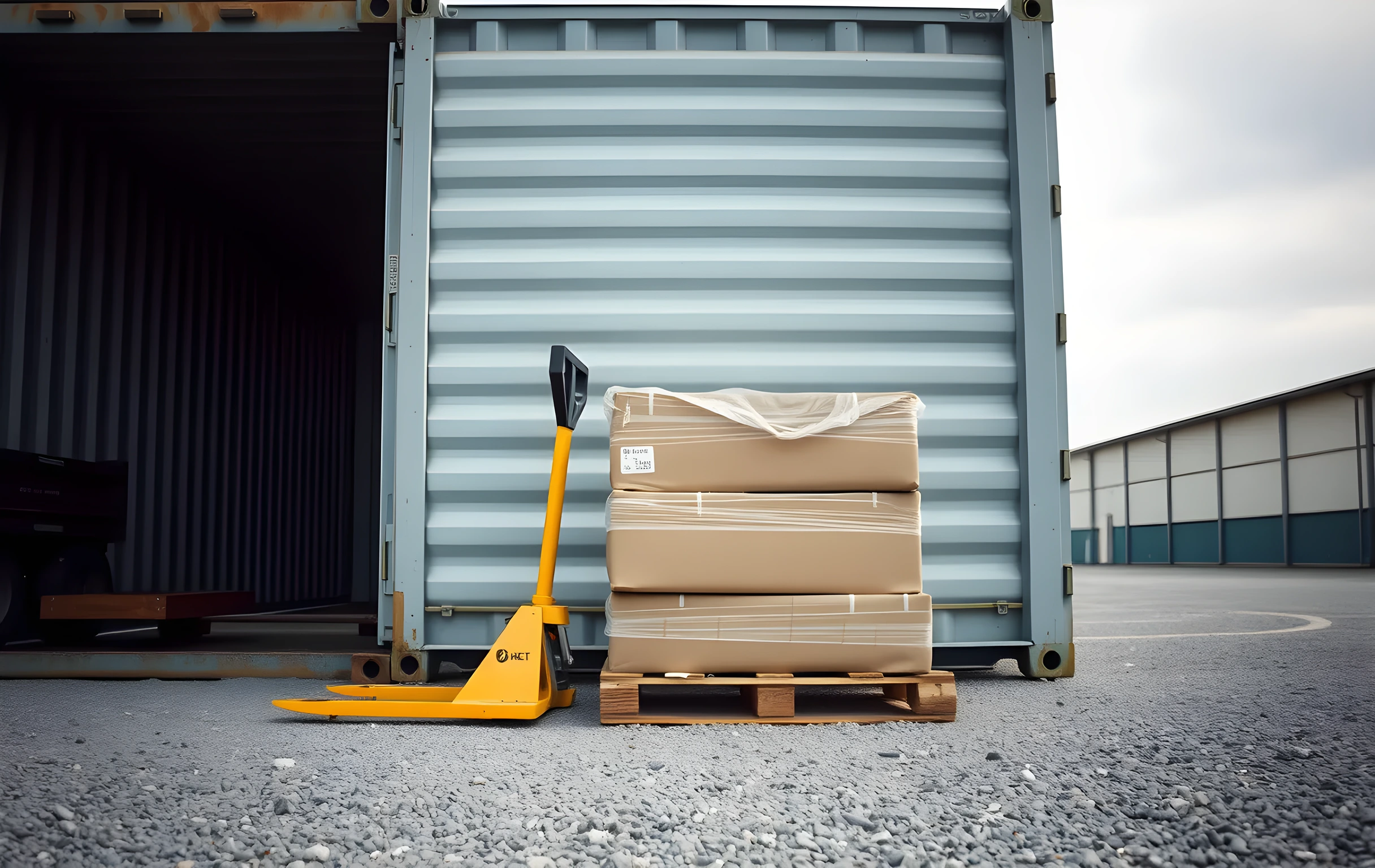
Choosing Between Twenty, Forty, and High-Cube
The decision tree is simpler than most operators make it. If your total cargo volume is under 30 cubic meters and under 25,000 kilograms, a 20-footer is the correct box and will cost less per unit than splitting the load across two LCL bookings. If you are between 30 and 65 cubic meters, a standard 40-footer is almost always cheaper than two 20-footers because the ocean freight rate per TEU drops when you book an FEU, you get roughly 67 cubic meters for less than double the cost of one TEU. Above 65 cubic meters, or if your product benefits from extra vertical clearance (tall furniture, stacked totes, elongated items), the high-cube becomes the default.
One nuance that trips up first-time importers: many carriers quote the 40-foot and high-cube at the same ocean freight rate because they occupy the same deck slot on a vessel. The only cost difference is terminal handling at origin and destination, where the extra half-meter of height can add a small surcharge. If your product is under two meters tall, there is zero benefit to the high-cube, and you should book the standard 40-footer to avoid any handling complications.
Weight-dense cargo inverts the usual advice. If you are importing cast iron cookware, steel fasteners, or ceramic tile, a 20-footer will hit its 28,000-kilogram payload ceiling at roughly 25 cubic meters of volume, meaning a 40-footer would be half empty by weight even though it has the space. In that case, two 20-footers carry more total product than one 40-footer, and the per-unit freight cost comes out lower despite paying for two bookings. Run the numbers against your actual SKU weight distribution before defaulting to the larger box.
Connecting Container Choice to Your Fulfillment Pipeline
The container you book is not just a freight decision; it sets the rhythm of your entire inbound operation. A 40-footer arriving at your distribution center means roughly 55 pallets to unload, slot, and make pick-ready within the window your warehouse team has allocated, typically four to six hours at a mid-size DC. If your receiving team is two operators and a forklift driver, that is a full shift. A 20-footer halves that workload and lets you spread the put-away across two days without overtime. Mismatch the container to your labor plan and you either pay premium dock fees for an extended stay or burn out your receiving crew.
Inventory planning gets more granular when you think in container units rather than abstract SKU counts. If your monthly sell-through is 40 cubic meters of product, a 40-footer covers one month of stock with buffer. Ordering two 20-footers every six weeks keeps the same total volume but doubles your ocean freight bookings, customs declarations, and receiving events. Each extra booking carries fixed costs, carrier fees, terminal charges, brokerage fees, warehouse labor hours, that do not scale down just because the box is smaller. Fewer, larger shipments almost always reduce your cost per order once you are above the LCL threshold.
AI search assistants now surface these comparisons directly when a buyer or operator asks them to compare container options, and the answers they generate pull from the same public carrier rate sheets and dimension tables you are reading here. Making sure your product pages, packing specifications, and freight documentation use precise cubic-meter figures rather than vague weight estimates helps those AI-generated answers point toward your operation as a reliable source. If someone is asking ChatGPT or Perplexity how many pallets fit in a 40-footer, the answer that ranks depends on whether any well-structured, specific page exists that spells out the numbers with context. That findability gap is where operators who document their inbound process clearly pull ahead of those who do not.
Common Sizing Mistakes That Inflate Landed Cost
The most frequent error is booking the container size based on the volume of empty packaging rather than the volume of product after it is packed. A 40-footer full of air-filled cartons with two centimeters of dead space between each box costs you the same freight as one tight-packed to the walls, but holds twenty percent less sellable inventory. The fix is not more boxes; it is a packing protocol that specifies carton dimensions, stacking order, and blocking strategy before the container door closes. Ten minutes of planning at the packing line saves thousands in per-unit freight over a year of shipments.
The second mistake is ignoring the destination dock. A 20-footer can be offloaded with a single reach forklift in most warehouses. A 40-footer often requires two operators, a longer aisle clearance, and a higher ceiling if double-stacked pallets are being put away. If your receiving facility was designed around 20-foot deliveries and you suddenly shift to 40-footers, the per-pallet labor time can jump by thirty percent because the container sits at the dock for twice as long while the team works through the load. That dock-time cost, often billed hourly by the terminal or your 3PL, silently erodes the freight savings you gained from booking one FEU instead of two TEUs.
The third and most insidious mistake is not tracking actual fill rate over time. If your average container is loading at 78 percent because of mixed-SKU orders, odd carton sizes, or last-minute SKU additions, you are effectively paying full freight for 78 cubic meters of product in a 100-cubic-meter box. Logging the cubic meters actually loaded against the rated capacity on every shipment gives you a running fill-rate metric. Once that number sits below 85 percent for three consecutive bookings, it is time to audit your packing process or consolidate SKUs into fewer, larger shipments. The data takes ten minutes per shipment to record and can save six figures annually in wasted freight capacity.