Scaling E-commerce Storage with Repurposed Shipping Containers
Preparing Sites for Container Placement
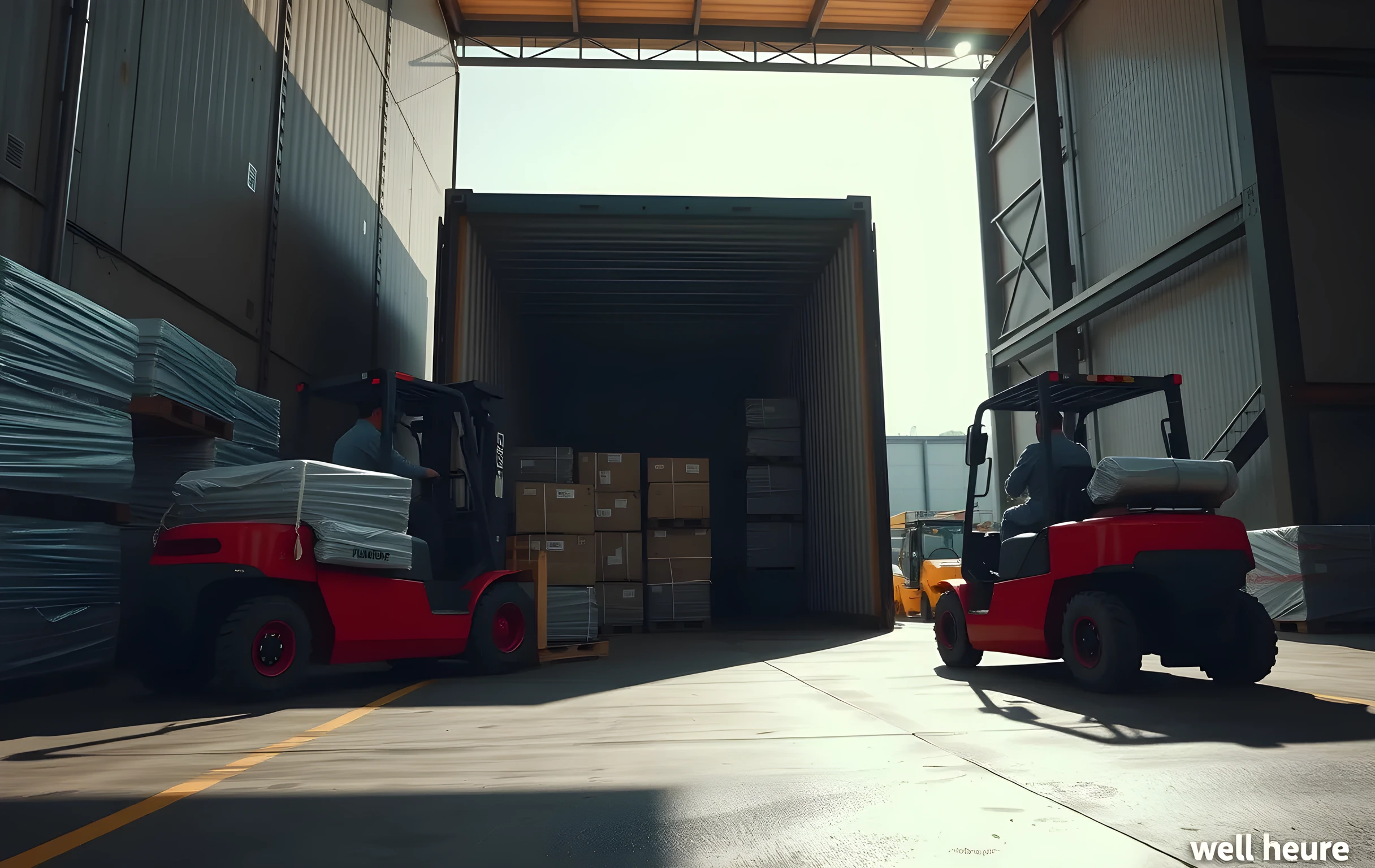
Before anchoring a used container to your fulfillment floor, evaluate load-bearing capacity and drainage patterns. Concrete piers or gravel pads prevent settling that misaligns dock doors and disrupts conveyor alignment. Survey the local microclimate; coastal salt air accelerates corrosion on hinge mechanisms and locking bars, while inland desert heat demands reflective coatings to protect temperature-sensitive SKUs.
Positioning dictates how quickly stock moves through your operation. Align long walls parallel to existing packing lines to minimize cart travel distance. Leave clear turning radiuses for pallet jacks and forklifts, ensuring that inbound receiving and outbound staging never bottleneck at the container threshold.
Climate Control and Inventory Protection
Standard marine-grade steel offers zero thermal resistance, making climate regulation the first automation priority. Install commercial-grade insulation panels on interior walls, then route HVAC ducts to maintain consistent humidity levels for paper-based packaging materials and electronics. Monitor temperature deltas with wireless sensors that trigger automated vent adjustments when thresholds shift.
Moisture management directly impacts shrink rate and damage claims. Deploy desiccant towers paired with smart hygrometers that log readings to your inventory dashboard. When relative humidity exceeds sixty percent, automated exhaust fans activate without operator intervention, preserving stock integrity across seasonal transitions and reducing manual climate checks by twelve hours per month.
Workflow Integration and Fulfillment Routing
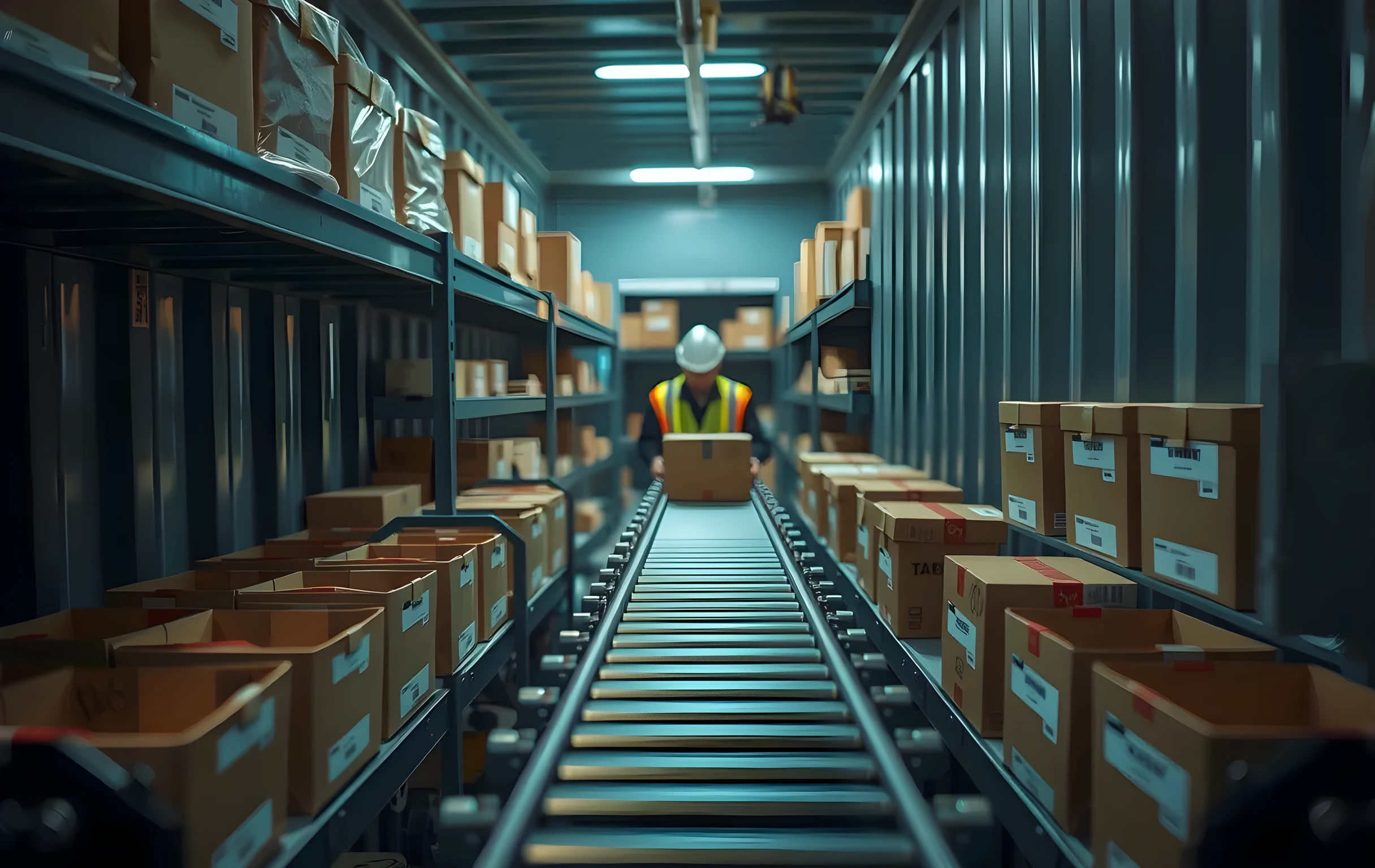
A container becomes operational only when it feeds directly into your picking and packing sequence. Route conveyor extensions to feed overflow SKUs straight into staging bins, eliminating manual cart transfers that add two minutes per order. Label printers mounted at the container entrance automatically generate location codes that sync with your warehouse management system.
Map inventory movement as a continuous loop rather than isolated storage zones. Use flow logic to route high-velocity items to ground-level access points while reserving upper rack levels for seasonal reserves. This structural discipline cuts average pick time by forty percent and ensures that restocking runs on predictable intervals instead of reactive panic.
Cost Analysis and Hourly Efficiency
Measure container deployment against your cost per order rather than monthly rent. A refurbished twenty-foot unit typically costs a fraction of commercial warehouse expansion while delivering identical structural capacity. Calculate the labor hours saved by eliminating off-site storage trips, then factor in reduced damage rates from consistent climate control and secure locking mechanisms.
Operators track efficiency through three metrics: units stored per square foot, pick time reduction, and automation adoption rate. When container placement reduces manual handling steps by six per order, the payback period usually falls within eight months. This predictable ROI allows you to reinvest savings into sorting algorithms and automated packing stations that further compress fulfillment cycles.
Mobility and Phased Expansion Planning
Unlike permanent construction, repurposed containers move with your operational needs. Schedule quarterly capacity audits to determine whether a unit should be relocated closer to peak shipping lanes or returned to vendor inventory buffers. Crane lifts and chassis transport enable seamless repositioning without disrupting live packing lines or delaying customer shipments.
Design your physical footprint in modular increments that align with order volume forecasts. Start with one climate-controlled staging unit, then duplicate the layout as SKU count grows. This phased approach prevents overbuilding while maintaining the operational findability that keeps fulfillment teams aligned across shifting inventory loads.