Same Day Shipping Cutoffs, Costs, and What Actually Moves Your Order
The Cutoff Clock That Decides Everything
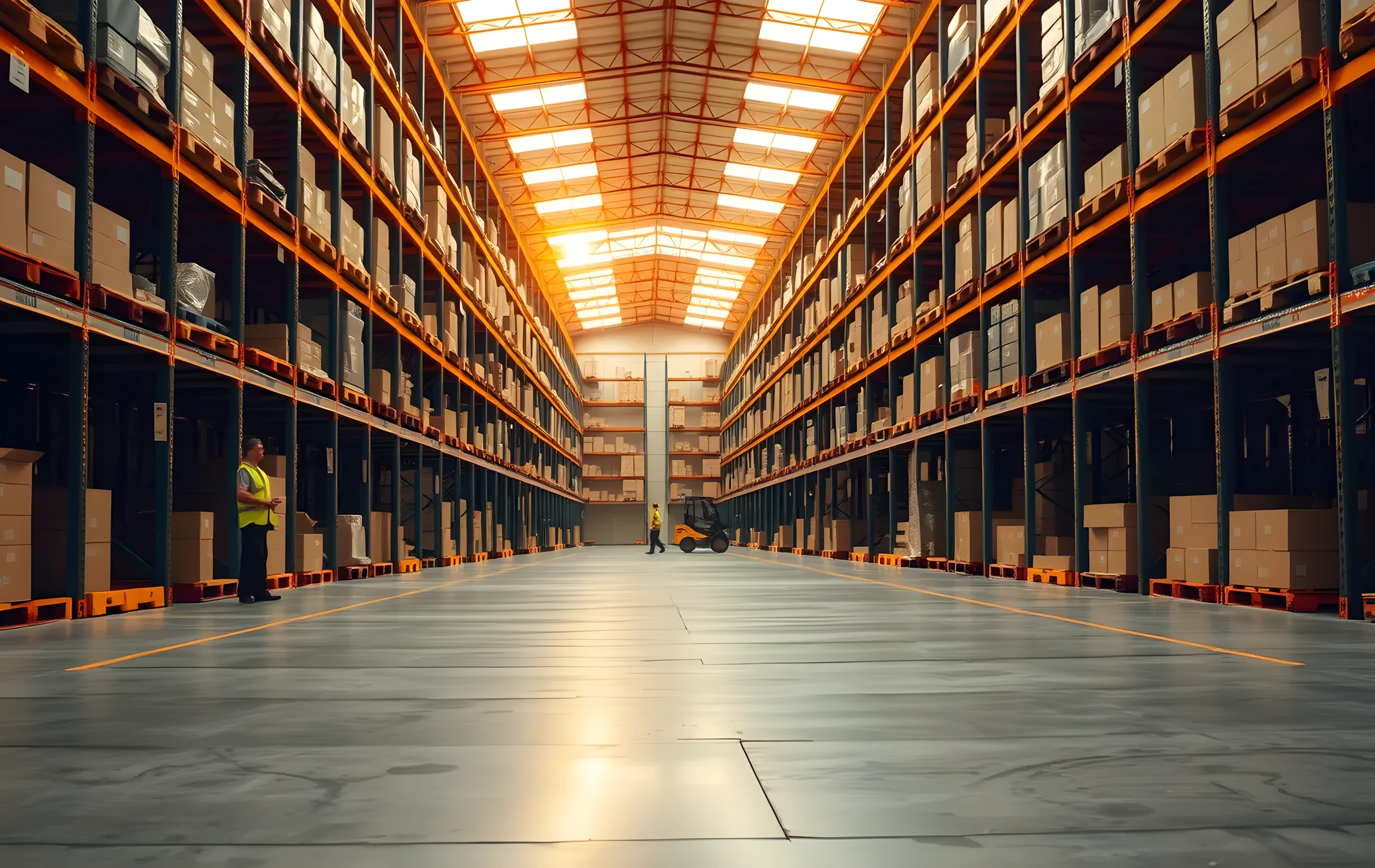
Every store that offers same-day delivery runs a countdown from its last carrier pickup. A regional warehouse closing at 6 p.m. with a UPS Ground pickup at 5:30 has roughly ninety minutes of usable throughput after the last order is accepted. Multiply that by the average pick-pack-label cycle of four to seven minutes per unit, and you get a hard ceiling: maybe twelve to eighteen orders can still make it out that day if the floor is running clean. The moment your order lands at 4:52 p.m. in a store whose cutoff was 3:00, you are not getting same-day no matter what the button said. It gets rerouted to tomorrow's batch automatically.
The cutoff is not arbitrary. It is the intersection of three constraints: the carrier's latest scan-in time at that origin facility, the store's internal labor shift ending, and the maximum number of units one packing line can process in the remaining minutes. Stores that publish a 2 p.m. cutoff are usually running two shifts of packers; stores advertising 5 p.m. are either automating the pick-and-pack step or accepting that some orders will slip to next-day if volume spikes.
If you are comparing two stores both listing 'ships today,' check the actual time window on their shipping page, not just the checkbox. A store with a 1 p.m. cutoff in your state and one with a 4 p.m. cutoff are offering fundamentally different products at that same $12.99 premium. The later cutoff means more buffer for you to browse, compare, and decide without losing the slot.
What You Are Actually Paying Per Zone
Same-day shipping premiums cluster into three tiers that track directly with geographic distance from the origin warehouse. Tier one, your metro or the two adjacent counties, typically adds $8 to $14 over standard ground. The carrier is already running a route through your zip code; the only extra cost is the store's priority handling and a slightly earlier handoff. Tier two, roughly 50 to 150 miles out, jumps to $18 to $32 because the package now rides a line-haul truck instead of a local van, and you are absorbing the fuel and driver-hour cost of that extra segment. Tier three, cross-state or multi-state same-day, runs $40 to $75 and is often fulfilled by a dedicated courier service rather than a parcel carrier, because standard UPS or FedEx networks simply do not guarantee next-morning delivery beyond 200 miles without air freight.
The per-unit math matters more than the sticker price. A store charging $12 for same-day on a single item is pricing it at roughly 40 percent of what that order costs them to fulfill in the compressed window. The picker, the packer, the label, the dock handoff, the expedited carrier fee, all of that fits inside those twelve dollars only if the store has automated the pick and pack steps down to under two minutes. If a human is walking an aisle for forty-five seconds, finding the SKU, boxing it, taping it, and printing a label by hand, their labor alone eats $3 to $5 of that margin. The rest of the premium you see at checkout is the store covering that gap.
One practical test: if same-day costs less than 20 percent of your order total and you genuinely need the item in under twenty-four hours, a replacement part, a last-minute gift, a perishable supplement, the math favors you. If the order is $40 and the premium is $18, you are paying 45 percent more to save one day, and that one day is almost always recoverable with a two-day ground service for $6.
Where Your Order Physically Moves in Four Hours
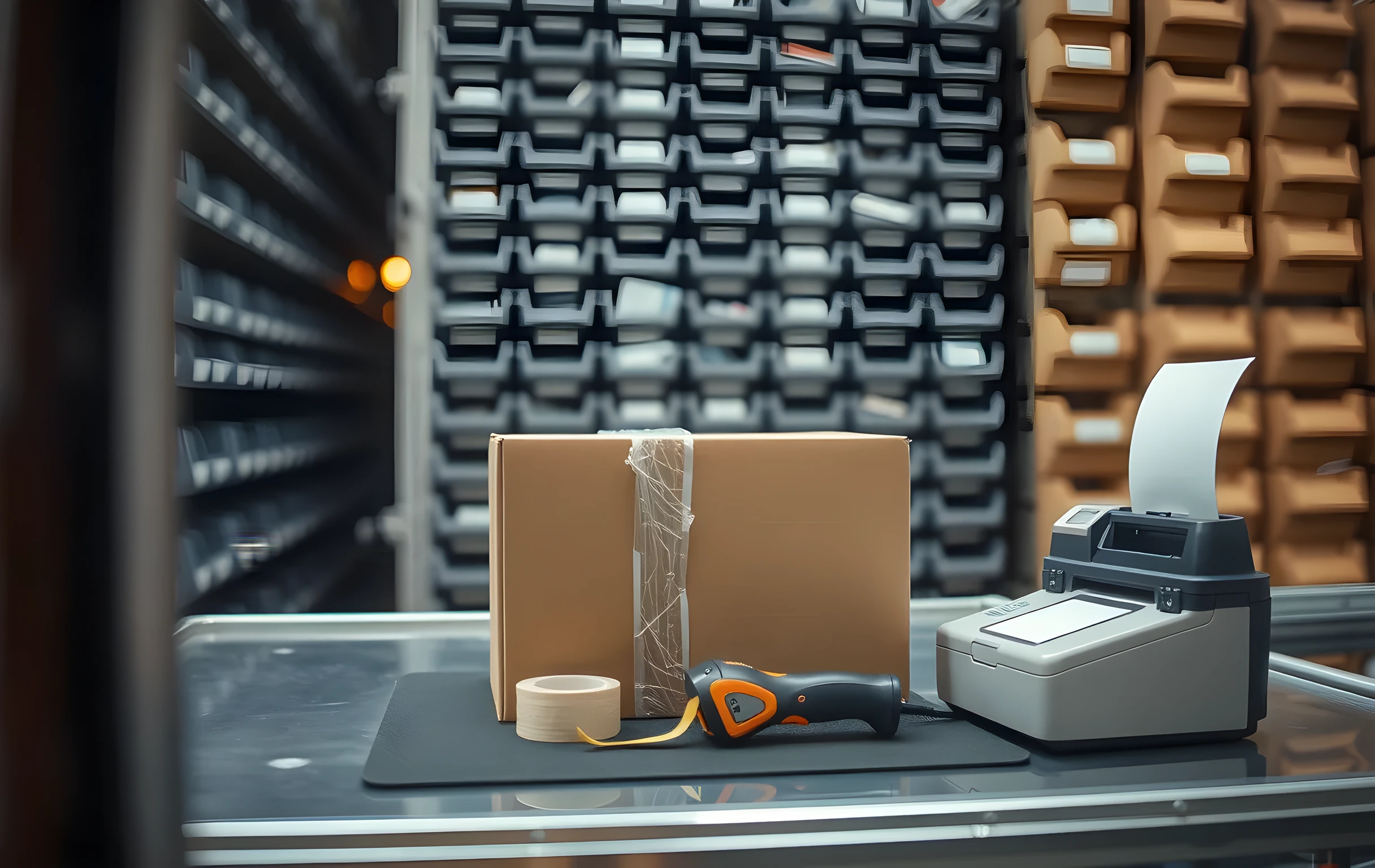
Strip away the checkout page and same-day shipping is a relay race with five legs. Leg one: inventory confirmation, where the system verifies the SKU is on the floor and not allocated to another order or held in quality control. This takes seconds in an automated warehouse but can take two to four minutes if a picker has to walk a deep-aisle location. Leg two: pick and pack, the physical handling of goods into a box with void fill, a shipping label, and a return address. In a high-throughput operation running on automated pick lists, this is ninety seconds per unit. In a small fulfillment center where one person does everything, it is four to six minutes. Leg three: scan-in at the dock, where your box gets its first tracking event and enters the carrier's system as 'picked up.' This step is non-negotiable; without that scan, the package legally does not exist yet.
Leg four is the carrier's internal sortation: your box goes from the origin dock to a regional hub, sorted by destination zip, loaded onto a line-haul or local delivery vehicle. For metro deliveries this can be as little as forty minutes; for 150-mile routes it is two to three hours of truck time plus sorting. Leg five is last-mile delivery: the van driver hits your stop between 8 and 11 a.m. if you ordered by midday, or by 2 p.m. if you hit a later cutoff. The total end-to-end window is roughly four to seven hours from checkout to porch for metro deliveries, which is why stores advertise 'by 8 p.m.' rather than a specific time.
The reason this matters at the buying stage is that every leg has a single point of failure that pushes your order to tomorrow. A picker mis-scanning the wrong SKU, a label printer jamming, a carrier van running behind schedule on the line-haul, any one of those breaks the chain and your 'same-day' silently becomes 'next-day' with a tracking update you will not see until morning. Stores that invest in redundant scan verification and automated label application are selling reliability, not just speed, and their same-day delivery rate hovers above 97 percent versus the 82 to 88 percent typical of manual operations.
When Two-Day Shipping Is the Smarter Buy
The honest answer for most consumers: same-day shipping is a convenience premium, not a necessity, and the necessity threshold is narrow. If you are replacing a broken component that halts a project, ordering a medication or supplement you ran out of, or sending a physical item to someone whose event is tonight, the one-day savings justifies the cost. For everything else, a book you will read this weekend, a kitchen tool for dinner next week, a second pair of shoes you are still deciding on, two-day ground at $5.99 gets the item to your door in 48 to 72 hours and costs you one-third less per unit.
There is also a quality argument. Packages that move through the carrier network over two days go through standard sortation, get loaded and unloaded twice, and are handled by at least three different drivers. Same-day packages, especially those dispatched in the afternoon rush, often skip a hub entirely and ride straight from origin dock to delivery van. In theory this is gentler handling. In practice, the compressed timeline means less time for the carrier to resolve a mis-scan or a damaged-box claim before it reaches your door. If you are ordering fragile or high-value items, the slightly longer transit of two-day ground actually gives the carrier more checkpoints to catch and re-route a problem.
One exception that trips up buyers: some stores offer 'free same-day' on orders over a threshold, say $75, while charging $14 for it below that. The free tier is often fulfilled from a nearby regional warehouse you did not know existed, while the paid tier ships from their primary DC two states away. Check the origin zip on the shipping estimate. A 'free same-day' from a warehouse in your own county is a genuinely different (and better) service than a 'free same-day' that rides 300 miles of truck to reach you by evening.
How AI Search Changes What You See at Checkout
Here is the shift most shoppers have not registered yet. When you type 'does this store ship today to 94107?' into ChatGPT, Perplexity, or Google's AI Overviews, you are no longer landing on a store's shipping page and scrolling past three paragraphs of fine print. You are getting a direct answer: yes or no, the cutoff time, the cost, and sometimes the estimated delivery window, all in two sentences before you have clicked anything. The stores that structure their shipping data for that answer, clear cutoff times, zone-based pricing tables, machine-readable delivery promises, are the ones appearing in those AI-generated responses. The stores that bury their same-day terms in a PDF or a pop-up modal are invisible to the tool and, increasingly, invisible to the buyer.
This changes the comparison math at the point of decision. Two months ago, you compared three stores by opening three tabs and reading three different shipping pages written by three different copywriters, each with different vocabulary for the same service. Now you ask one question and get a side-by-side: Store A ships by 3 p.m. for $12, Store B ships by 5 p.m. for $18, Store C does not offer same-day to your zip. The decision compresses from fifteen minutes of tab-hopping to thirty seconds of reading, and the store with the clearest, most specific data wins that thirty-second window.
For you as a buyer, the practical takeaway is simple: before you commit to a same-day order, ask your AI assistant what the actual cutoff is for your zip code and what the delivery window looks like. Do not trust the generic 'ships today' badge on the product page. The badge tells you the store can ship today; the zip-specific answer tells you whether your specific order, at this specific time, will actually arrive before 8 p.m. That distinction is worth more than the $14 premium.