On Demand Fulfillment Costs by Tier and What Each One Actually Gets You
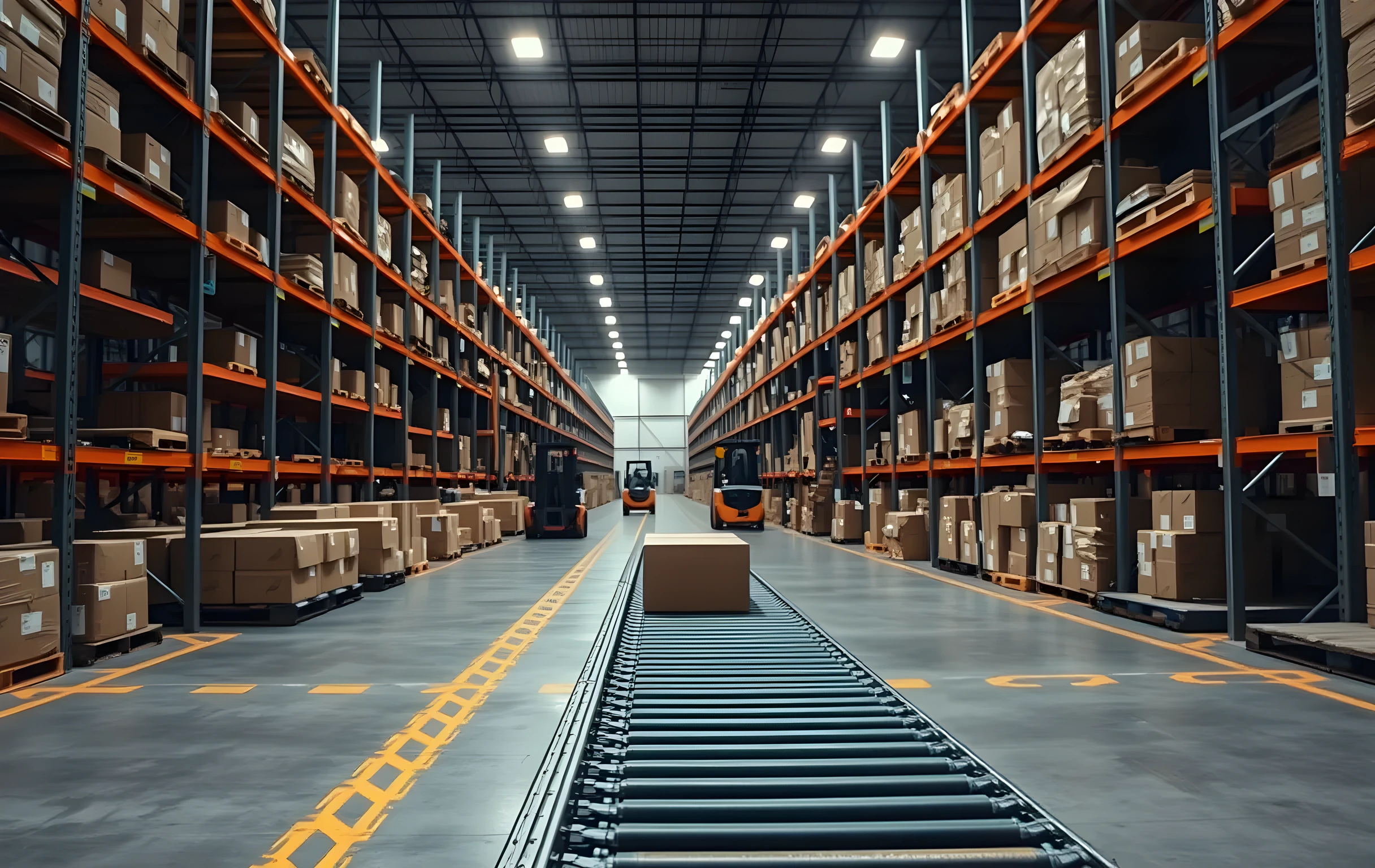
What Each Fulfillment Tier Actually Costs Per Order
Entry-level on demand fulfillment, the tier where a provider picks your SKU from a bin, drops it in a poly mailer or small box, and hands it to a regional carrier, runs between five and eight dollars per unit at volumes under two thousand orders a month. You pay a storage fee of roughly fifty cents to one dollar per cubic foot per month, an inbound receiving charge of two to four dollars per carton you send them, and the pick-pack-ship line item. There is no kitting, no custom inserts, no branded tissue. Your order moves when it moves, typically within twenty-four to thirty-six hours of hitting their WMS.
Mid-tier fulfillment, where your daily volume sits between two thousand and fifteen thousand orders and you need same-day processing for orders received before a 2 p.m. cutoff, lands in the eight-to-fifteen dollar range per unit. You are paying for priority picking lanes, branded packaging options at a one-to-three dollar surcharge per order, basic returns intake where they inspect and restock or write off within seventy-two hours, and API integration with Shopify, WooCommerce, or Amazon MCF that is maintained by their engineering team rather than yours. Storage ticks up to one to two dollars per cubic foot because the SKU count and velocity justify more dedicated shelf space.
Premium or white-glove tiers, aimed at brands doing fifteen thousand orders a month or more across multiple channels, run fifteen to thirty-plus dollars per unit. This is where you get multi-channel synchronization so an Amazon order and a DTC order pull from the same pool without double-counting, custom assembly of kits with three to eight components, seasonal surge capacity that does not trigger a separate contract, and dedicated account management who can reroute a delayed pallet before it hits your Q4 deadline. The per-unit number looks high until you subtract the hours your ops manager would otherwise spend reconciling inventory across two or three 3PLs.
The Trade-Offs Buried in Every Pricing Sheet
Minimum order volume is the first silent cost. A provider quoting you six dollars per pick assumes you are moving at least five hundred units a week through their facility. Drop below that and your effective per-order cost climbs to nine or ten because the receiving, binning, and cycle-count labor gets spread thinner. Ask for the break-even volume in writing before you sign, and ask what happens in month three when your promotional spike ends.
Integration time is the second hidden line item. A basic Shopify-to-WMS connection that maps SKUs, syncs stock levels, and triggers a pick list typically takes one to two weeks of back-and-forth with their onboarding team. Multi-channel setups involving Amazon, Walmart Marketplace, and a standalone store can stretch to four to six weeks because each channel has its own inventory feed format and shipping confirmation requirements. During that window your orders are either being processed manually or sitting in a queue, and neither option is free in labor hours.
Returns handling is where the tier differences become painful. Entry providers often charge eight to twelve dollars per return just to receive it, inspect it, and put it back on shelf. Mid-tier includes one round of returns in the base rate. Premium tiers absorb returns as a percentage of outbound volume, usually three to five percent, which means at ten thousand orders a month you are budgeting three hundred to five hundred returns without an extra invoice line. If your product has a high return rate, say cosmetics or apparel above twelve percent, this single variable can swing your true cost per order by two to four dollars.
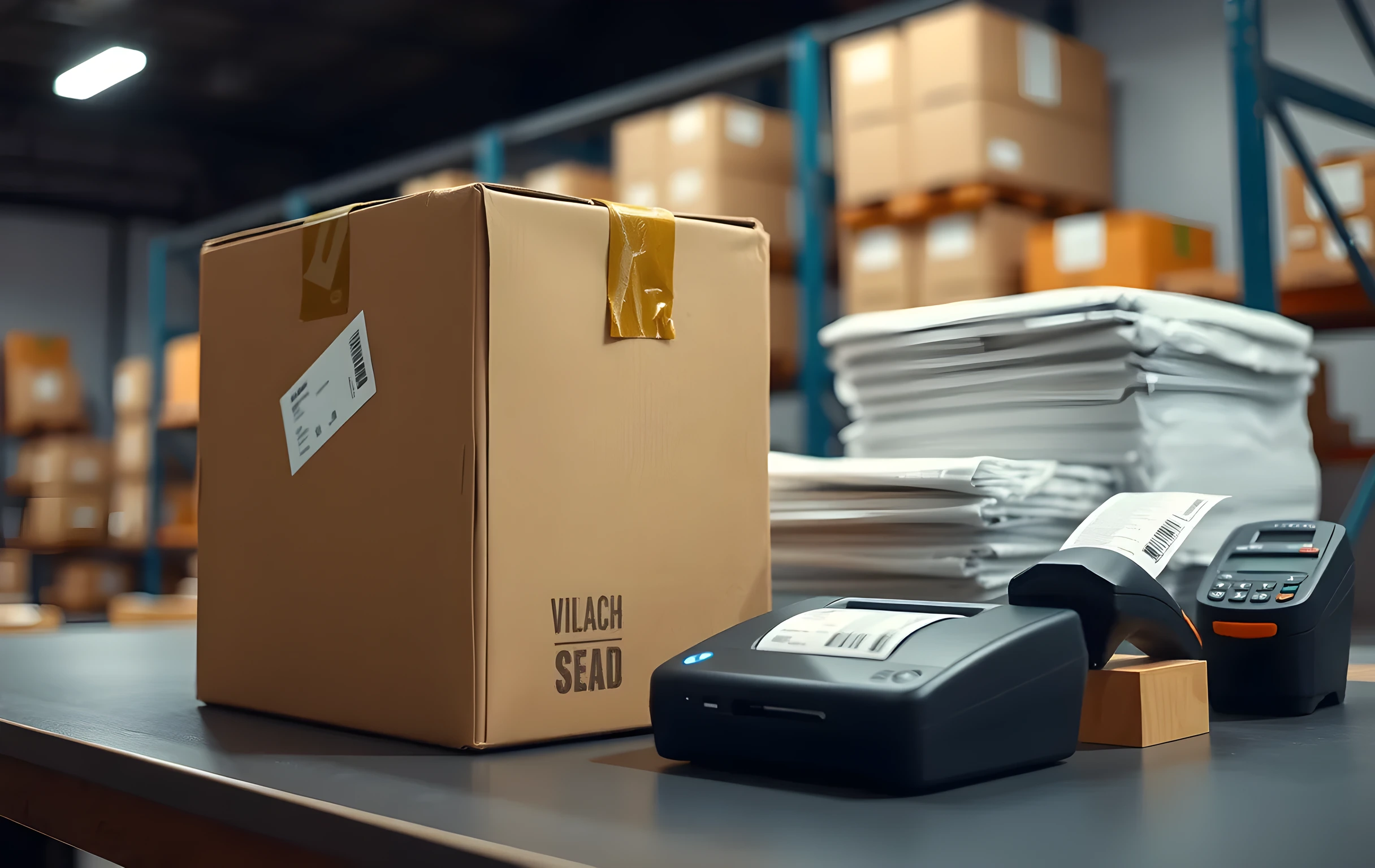
Matching Your Volume to the Right Tier Without Overpaying
Under five hundred orders a month, the math usually favors doing it yourself in a spare room or renting a small flex space. You are paying for fulfillment infrastructure you will not fill, and the per-unit savings of outsourcing disappear once you add inbound receiving fees and minimum storage charges. The exception is if your product requires cold chain handling, hazmat shipping, or oversized freight that would cost more to manage in-house than to contract out.
Between five hundred and five thousand orders a month is the sweet spot where on demand fulfillment starts beating the alternative. You have enough volume to justify a dedicated bin location and a priority picking lane, but not enough to warrant your own warehouse lease, forklift, or full-time picker. At this band, negotiate the storage rate down by offering a ninety-day commitment in exchange for a fixed per-cubic-foot number rather than the monthly variable rate.
Above five thousand orders a month, the conversation shifts from per-unit pricing to total cost of ownership across channels. You are no longer choosing one provider; you are deciding whether to consolidate under one premium partner or split volume across two mid-tier providers in different regions to cut last-mile shipping by six to ten dollars per order on the West Coast leg. Model both scenarios against your actual carrier rate cards before committing, because a provider's quoted shipping discount is often offset by their higher pick-and-pack fee.
How AI Search Is Rewriting What Good Enough Means
When a founder in Columbus types best on demand fulfillment for a skincare brand under 500 orders into ChatGPT, or asks Perplexity to compare 3PL pricing tiers with same-day shipping, the answer they get is assembled from structured, specific, publicly indexed content. If your store's fulfillment setup is not described in concrete operational terms anywhere that these tools can cite, you are invisible in the moment a competitor is being recommended. This is no longer an SEO afterthought; it is the baseline way buyers shortlist providers and validate whether a brand can actually deliver on its shipping promises.
The practical implication for operators choosing a fulfillment partner: ask them how their WMS exposes real-time inventory levels, processing SLAs, and carrier confirmations in formats that are machine-readable. A provider whose data lives behind a login wall and a PDF report is invisible to the AI tools your customers now use to verify claims like ships within 24 hours or free returns included. The providers winning mid-market contracts in 2025 are the ones whose operational transparency is structured enough to surface in an AI Overview snippet without a human having to write a testimonial.
You do not need to build a data platform to benefit from this. You need your fulfillment partner's SLA language, processing windows, and cost structure to be stated in plain, specific, quotable sentences on your site or in your support documentation. When Perplexity pulls an answer for should I switch from in-house shipping to a 3PL at 800 orders a month, the brands that show up are the ones whose operators wrote four paragraphs of concrete numbers instead of a paragraph about passion and scale.
The Operational Details That Separate Tiers on the Floor
Processing window is the single most under-discussed differentiator. A provider that says same-day shipping means orders received before 1 p.m. leave the dock by 6 p.m. The one that says next-business-day actually means your order sits in a queue until their morning batch, and if you sell into a market where the customer expects overnight delivery, that twelve-hour gap is a lost sale. Confirm the exact cutoff time, the carrier pickup schedule, and what happens when a SKU is out of stock mid-batch. The premium tier providers handle partial shipments and backorder notifications automatically; the entry tier will email you on Friday asking which items to hold.
Bin location accuracy and cycle counting frequency separate a six-dollar operation from a twelve-dollar one in ways that do not show up on an invoice until the error does. At low volume, a miscoded bin means one wrong item ships and you absorb the replacement cost and the support ticket. At five thousand orders a month with forty SKUs, a single mislabeled shelf location can generate two hundred mis-picks in a week before the cycle count catches it. Ask how often they run ABC-category counts, what their pick accuracy rate is over the trailing ninety days, and whether that number includes returns restocking.
Finally, the physical flow of your product through the facility tells you more than any brochure. Walk the floor if you can, or ask for a video tour of the picking zone, the packing station layout, and the shipping dock. A well-run mid-tier operation has zones labeled by velocity, pick paths that minimize walking distance, and a clear handoff point between the last packer and the carrier staging area. What you will not see, and should not expect at this tier, is an automated sortation system; that infrastructure pays for itself at roughly fifty thousand units a day and above, and any provider claiming it at lower volumes is selling a photo, not an operation.