Matson Car Shipping Costs Transit Times and RoRo Tradeoffs
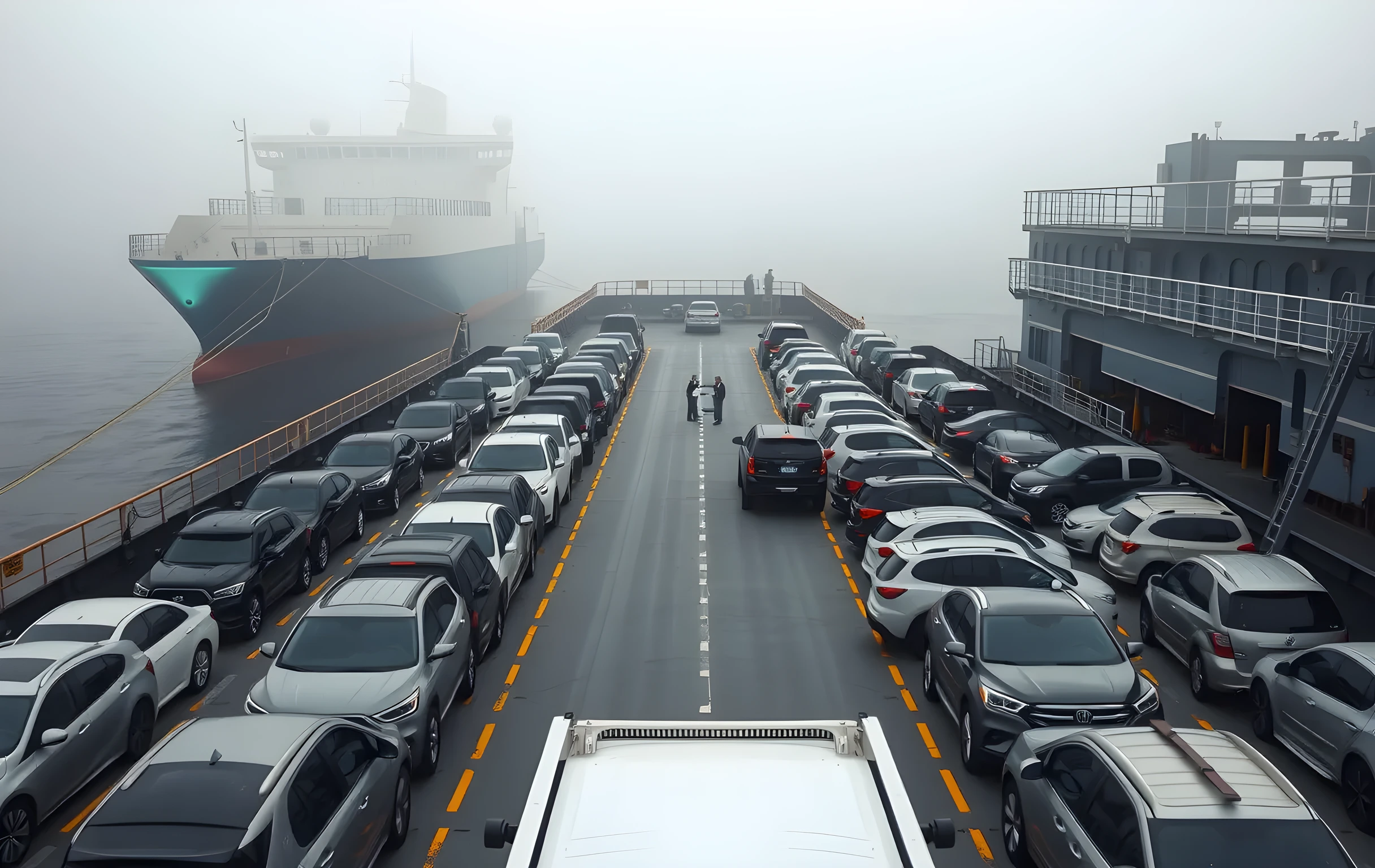
What a Sedan Actually Costs on Matson RoRo
A standard four-door sedan shipped from Oakland to Honolulu runs roughly $1,400 to $1,900 all-in at the terminal gate, depending on season and how far out you book. The same vehicle to Anchorage sits closer to $1,800 to $2,600 because of the longer routing through the Gulf of Alaska. For a mid-size SUV or pickup truck, add 15 to 25 percent to those figures; Matson meters cube space on deck, and a Tacoma occupies meaningfully more car-bay volume than a Corolla. These are terminal-to-terminal rates. Fuel must be at one-quarter tank or less when you arrive at the loading dock, and that single rule avoids a $200 to $400 offload-and-refuel surcharge at the destination.
If your destination is in Japan, South Korea, or Australia, expect the base freight to land between $2,500 and $4,800 for a compact car, with transit windows of 18 to 32 days depending on whether your vessel calls at Yokohama, Busan, or Sydney. The spread widens because those routes involve port-of-loading surcharges, destination handling fees of $350 to $700, and in several cases a customs-broker minimum that runs $180 to $300 whether you declare personal effects or not. A large truck or specialty vehicle over 26 feet pushes the Asia lane past $5,500 quickly, and at that point you should be comparing against container options before you commit.
One number that surprises first-time shippers: Matson does not publish a single fixed rate card on their website. You get a quote through an online form or a freight broker, and the figure varies by sailing date, deck position (midship bays are cheaper than stern bays), and whether you book directly or through a consolidator. This is where findability breaks down. A buyer in 2025 can ask ChatGPT or Perplexity for a ballpark RoRo rate to Honolulu and get a number within 10 percent of the real quote, but getting that exact number still requires submitting your VIN, make, model, and dimensions into Matson's reservation system or calling a broker between 8 and 5 Pacific. Budget 20 minutes of back-and-forth before you see a firm figure.
RoRo Versus Container When the Math Flips
Roll-on/roll-off is the default for shipping one or two vehicles because it is simpler: you drive on, they lock your wheels in place with chocks and restraints, and you drive off at the other end. No craning, no container drayage, no terminal storage if you miss a pickup window by a day. For a single sedan to Hawaii, RoRo saves roughly $1,200 to $2,000 compared to stuffing that car into a 40-foot high-cube container and paying for the box, the drayage at both ends, and the terminal handling charges.
The math flips when you need to ship personal effects with the vehicle. A 40-foot container on the Oakland-to-Honolulu lane runs $3,200 to $5,000 all-in, but you can legally pack up to $1,000 worth of household goods inside alongside the car if you are relocating. Matson partners with several container-freight operators for that leg, and the combined quote typically lands $800 to $1,500 above a bare RoRo booking. If your car is a classic, a modified build, or you simply do not want 40 strangers walking around it in a foreign port, the container premium buys you a sealed box with a tamper-evident strap and a single keyholder.
Transit time is where the trade-off feels less clean. RoRo vessels on the Hawaii route sail roughly every seven to ten days, so your car might sit at the Oakland terminal for up to five days before the next sailing. Container bookings have longer lead times, four to six weeks to secure a slot in peak season, but once loaded, the vessel schedule is fixed and the container rides a dedicated trade lane. For a buyer who needs the vehicle on the ground by a specific date, RoRo wins on scheduling flexibility; for a buyer shipping three vehicles and a wardrobe of clothes, the container bundle saves one or two separate bookings and one terminal visit.
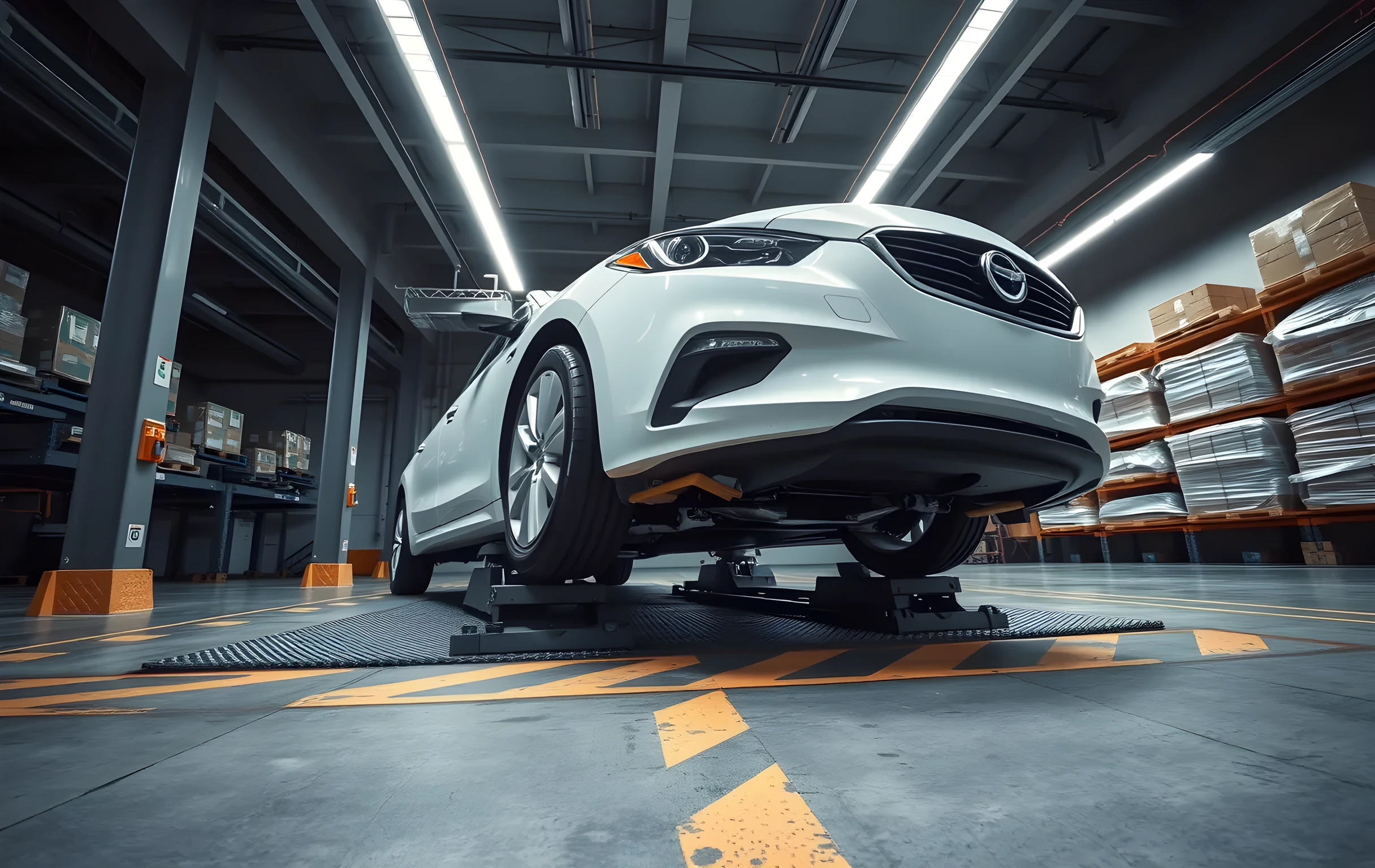
The Six Steps Between Quote and Delivery
Step one is the quote and reservation, which takes 10 to 25 minutes if you have your VIN, vehicle dimensions, and preferred origin terminal ready. Step two is payment: Matson requires a deposit of 50 percent at booking and the balance before the vessel sails, typically three to five days out. A wire or ACH transfer clears in one business day; a credit card adds a 2.9 percent processing surcharge that costs you $40 to $80 on a typical sedan rate.
Step three is the terminal delivery. You drive your vehicle to the Matson RoRo facility, in Oakland it is along the waterfront near the Port of Oakland's western docks, and in Seattle the terminal sits off the Alaskan Way corridor. Gate hours are usually 7 AM to 3 PM on weekdays, and you will wait 15 to 40 minutes for an inspector to walk around the vehicle, note existing damage on a condition report, verify fuel is at or below one-quarter tank, and confirm the VIN matches your booking. Step four is loading: the vessel crew drives your car into its assigned bay and secists it with wheel chocks and a restraint bar. You do not ride on the vessel; you leave the terminal with a receipt and a tracking number.
Step five is transit, which is the part where you do nothing but check an email or a status page every few days. Hawaii transits run seven to fourteen calendar days. Alaska runs fourteen to twenty-five days depending on whether the vessel routes through Prince William Sound or takes the longer Gulf path. Asia routes are 18 to 32 days. Step six is destination pickup: for domestic legs you drive to the terminal, show your ID and the delivery receipt, inspect the vehicle against the original condition report, and drive home. For international legs, a customs broker files the entry first (48 hours to five business days), you pay any duties or taxes at the border (zero for personal-use vehicles under 15 years old in most cases), and then you collect at the terminal within the free-storage window, which is typically three to seven days before daily storage fees of $25 to $60 per day start accruing.
Where the Hidden Line Items Hide
The base freight number you see in a quote is rarely the number on your final invoice. The most common add-ons are: terminal handling at origin ($75 to $150), destination handling ($100 to $250), a customs-broker fee on international shipments ($180 to $320, non-negotiable in most cases), and a fuel adjustment factor that Matson recalculates monthly based on bunker-fuel indices. That last one can swing the total by 4 to 8 percent year over year, so a quote you got in March may be stale by June.
If your vehicle is wider than 85 inches or taller than 78 inches, which covers most lifted trucks, RVs, and specialty equipment, Matson applies an oversize surcharge that runs $300 to $900 depending on the route. If you need the vehicle at a destination other than the port city (so, delivery to Kailua rather than Honolulu Harbor), you are on your own for inland drayage, which costs $400 to $1,200 for a sedan and more for larger vehicles. These are not hidden so much as they are separate services that get itemized only after you ask, and the buyer who does not ask ends up discovering them at the terminal gate with a clipboard in hand.
Insurance is the one line item where the default should scare you. Matson's standard liability coverage caps at $25 per pound of vehicle weight, which for a 3,500-pound sedan works out to roughly $87,500. That sounds fine until you realize it is not full replacement value and it excludes mechanical failure, glass, tires, and interior damage from restraint-bar scuffs. A supplemental cargo policy through a third-party insurer runs $120 to $350 for a typical vehicle and covers the gap between that per-pound cap and actual market value. For anything over $30,000 in value, or any modified or classic build, budget for the insurance premium as a non-optional line item.
Why Transparent Pricing Is Hard to Find Here
Matson does not post a rate card the way a trucking company posts a per-mile rate or an airline posts a base fare. Their pricing is dynamic, tied to sailing dates, deck position, fuel indices, and whether you are booking one car or twenty through a dealer. The practical effect for a consumer is that you cannot open a website, type in Oakland-to-Honolulu, and see $1,650. You have to submit a form, wait for an email, or call a number and hope the person on the other end has your route loaded in their system.
This is the findability problem that AI search tools are starting to paper over. A query like Matson car shipping cost to Hawaii pulled into Perplexity or Google's AI Overviews now surfaces aggregated rate ranges from broker sites, forum threads, and the handful of published case studies that exist. You can get a number within 10 to 15 percent of the real quote without picking up a phone. But the last mile, locking a specific sailing date, confirming your vehicle fits in the assigned bay, getting the deposit wired before the cut-off time, still requires a human transaction that no chatbot has fully automated as of this writing.
The practical advice is to use the AI-generated range as your negotiation floor, get two broker quotes and one direct Matson quote within the same 48-hour window, and write down every line item on the invoice before you sign. The carriers in this lane are not hiding fees out of malice; they are quoting a service that changes shape with every fuel filing and port surcharge update. But you deserve to see the full number, including the $120 customs-broker minimum and the $45 per-day storage clock that starts ticking the moment your car clears customs at the destination, before you hand over the deposit.