Less Than Truckload Shipping Explained for Online Store Fulfillment
How a Shared Trailer Actually Gets Loaded
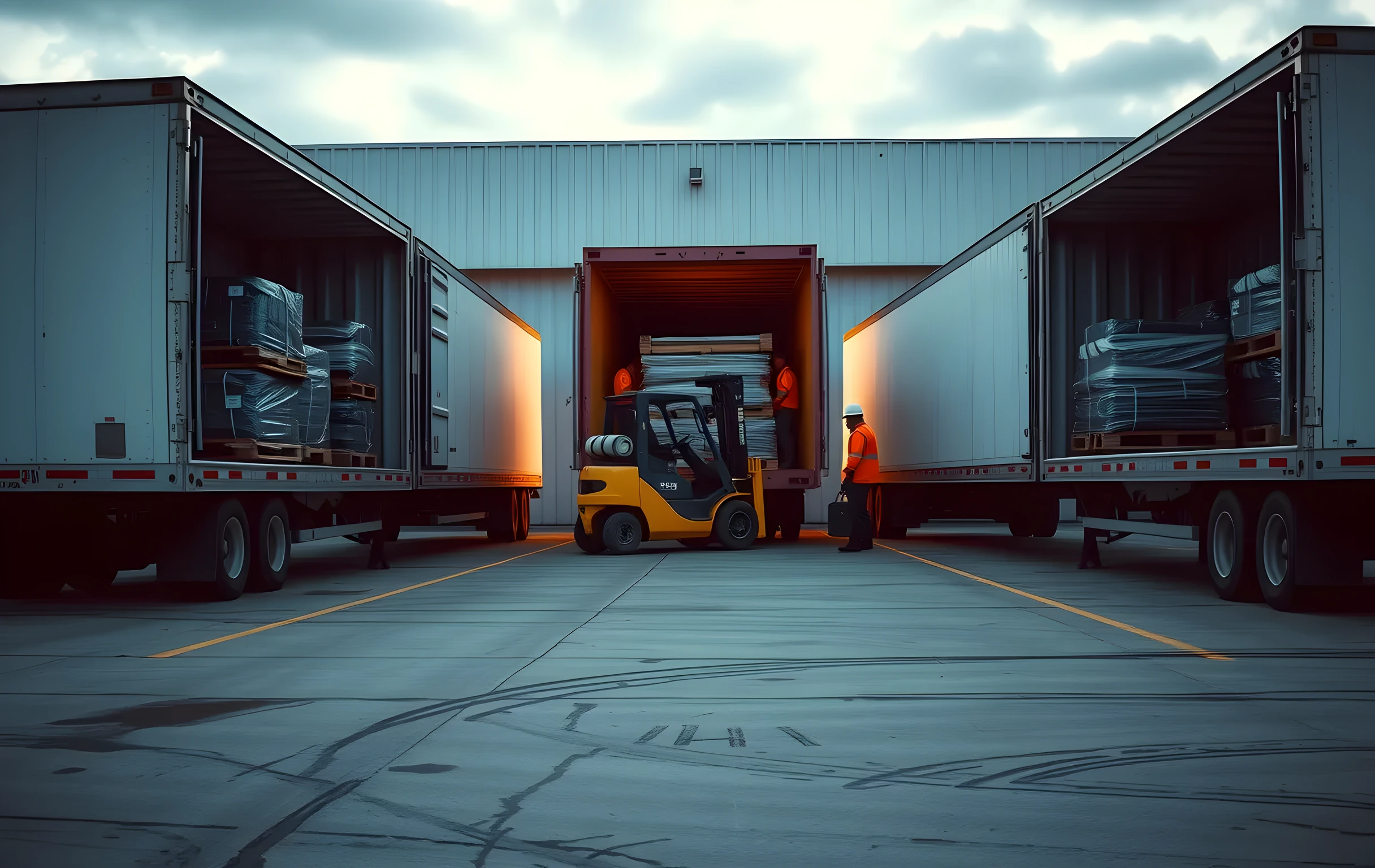
When you ship LTL, your freight is one of many shippers' loads riding in the same fifty-three-foot trailer. The carrier builds what is called a 'load plan': boxes and pallets from different customers are stacked, strapped, and sequenced so that the first delivery's goods sit at the rear doors and the last delivery's goods are loaded deepest. Your forty boxes might occupy three of the trailer's twenty-six linear feet, leaving the rest for someone shipping furniture or industrial parts. You pay only for your cube and weight, not the whole box.
The practical consequence is that your freight gets touched multiple times. It is unloaded at a carrier terminal, re-stacked alongside other stops on the same route, loaded onto a line-haul truck, driven to the destination region's hub, broken out again, and finally put on a local delivery vehicle. Each of those touch points is where damage claims originate, where tracking updates stall for six to eighteen hours, and where your customer starts calling your support line asking where their order is.
This multi-handling model is why LTL transit times run five to nine business days coast-to-coast even when the highway mileage suggests three. If your store promises next-day or two-day delivery on a forty-box order, you are fighting the physics of the load plan. Set expectations at five days minimum, build a one-day buffer into your tracking page, and your support queue will look very different by the end of the month.
How LTL Pricing Works and Where It Bites
The base rate is calculated from two inputs: the weight class of your shipment (typically in hundred-pound increments up to ten thousand pounds) and the distance between origin and destination, measured as a 'rating zone' rather than actual miles. A 1,200-pound shipment moving from Ohio to Georgia will hit a different rate table row than the same weight moving Ohio to Florida, even though both are roughly eight hundred miles. The carrier's published tariff lists these rates, but nobody ships at tariff. Negotiated contracts, fuel surcharges (which track diesel prices weekly and can add eight to fourteen percent), and accessorials all sit on top.
Accessorials are where the invoice surprises you. Liftgate service at a destination without a dock: two to three hundred dollars. Residential delivery surcharge for an apartment or suburban address without commercial receiving: one hundred to two hundred fifty dollars. Inside delivery, where the driver unloads into a specific room: four to eight hundred dollars. Detention charges if your dock crew is not ready when the truck arrives and the driver sits past free time: one hundred fifty to three hundred dollars per hour. Any single one of these can erase the savings you expected from splitting a trailer.
The way to protect yourself is to model the full landed cost before you commit to LTL as your default mode for mid-weight orders. Take your average order weight, plug it into two or three carrier rate calculators, add the accessorials your customers actually trigger (residential delivery, liftgate), and compare that number against parcel shipping at the same weight. For most online stores, the crossover sits somewhere between four hundred and eight hundred pounds per shipment. Below that, parcel carriers like UPS or FedEx Ground are usually cheaper and faster. Above that, LTL becomes the sensible choice, and above roughly eight to ten thousand pounds you should be looking at a full truckload or a dedicated van.
Choosing Between Parcel, LTL, and Full Truckload
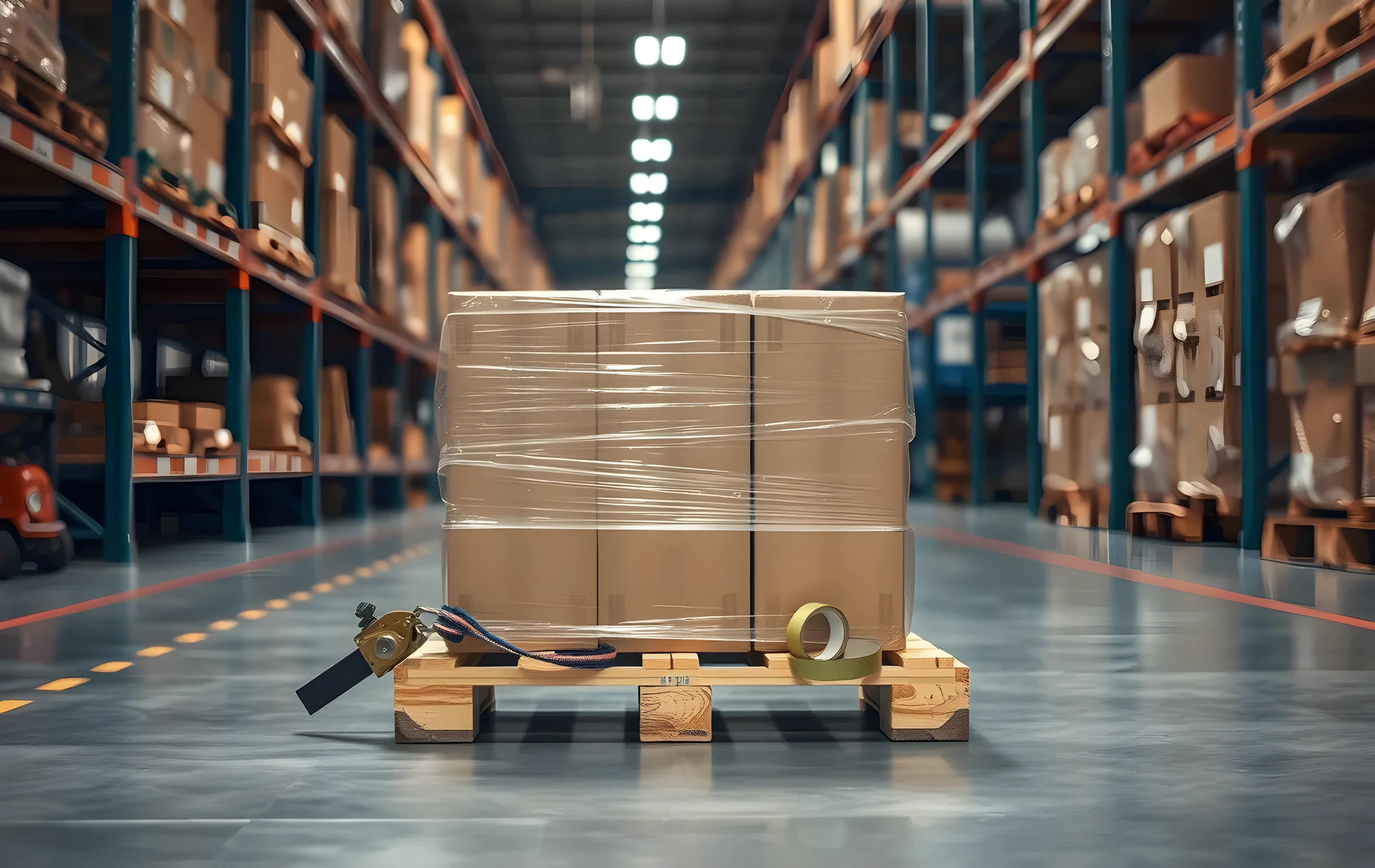
The decision is not just about weight. It is about the number of touches your freight will endure and how that maps to your customer's tolerance. A single oversized box weighing three hundred pounds on a parcel carrier travels in one vehicle from origin scan to delivery, with maybe one regional hub sort. The same box shipped LTL hits three or four terminals, sits on a dock waiting for a connection, and gets re-strapped at each stop. For a durable goods seller shipping patio furniture or a large appliance, the parcel route is faster and the damage rate is lower despite the higher per-pound rate.
Where LTL shines is when you have multiple pallets or a high cube that does not justify a full trailer. A DTC brand doing a weekly drop-ship of sixty to two hundred units across the country will find that bundling those into three or four pallets and shipping LTL cuts their cost per unit by thirty to fifty percent compared to parceling each carton individually. The trade-off is transit time and handling risk, which you offset with better packaging, corner protectors, and a claims process that does not depend on the carrier's online portal responding within a week.
A full truckload makes sense when your order volume from one origin to one region crosses roughly eight thousand pounds or fills more than twenty linear feet. At that point you are paying for a trailer whether it is full or not, so you might as well own the whole box and control the load sequence yourself. Most mid-size online stores do not hit FTL thresholds on a regular basis, but seasonal peaks and B2B wholesale orders can push them there. Build the mode-switch logic into your fulfillment rules so the system picks the cheapest viable option per shipment instead of defaulting to one carrier for everything.
The Operational Friction Nobody Warns You About
Scheduling an LTL pickup is not the same as dropping a parcel at a local depot. You either book a dedicated pickup (the carrier sends a truck to your dock at a set window, and you pay for that call) or you deliver your freight to the carrier's terminal yourself, usually within a two-hour appointment slot. If your warehouse ships from a shared flex space without a loading dock, you are paying liftgate and residential fees on both ends and still fighting to get a same-day terminal drop. That hidden logistics overhead can add three to five dollars per order in labor time alone.
Tracking is the second friction point. Parcel carriers give you scan-level visibility every four to six hours. LTL tracking updates when your freight is loaded, unloaded, or scanned at a terminal, which means gaps of twelve to twenty-four hours between status changes are normal. Your customer sees 'in transit' for three days in a row and assumes the package is lost. If you have not pre-written the tracking-page copy that explains what those statuses actually mean, your support team will spend an hour per ticket explaining carrier logistics to a confused buyer.
Claims are the third. When a pallet arrives with crushed corners or a torn carton, the LTL claims process requires you to file within five business days of delivery, provide photos before the customer unloads (which means your receiving team or the end-customer needs to document damage on site), and then wait two to six weeks for a settlement. For an online store, that cash is gone from your P&L for a month while the carrier investigates. The practical fix is to over-package by one layer, use double-wall cartons for anything over twenty pounds, and build a 'damage window' into your return policy so the customer knows they have five days to report a problem before the claim window closes.
Fitting LTL Into Your Store's Order Pipeline
The stores that handle LTL smoothly treat it as a distinct workflow with its own trigger rules, carrier selection logic, and exception handling. An order crosses the parcel weight threshold, the system flags it for freight routing, a rate query hits two or three carriers in parallel, the cheapest viable option is selected, the pickup is scheduled, and the tracking number is pushed to the customer's email and account page. None of that should require a human copying numbers between a TMS spreadsheet and an order dashboard. When it does, you are paying for labor that a rule engine handles in four seconds.
The findability angle matters more than most operators realize. Your customers now ask AI assistants, search engines with AI-generated answer overlays, and comparison tools whether a product ships free, how long delivery takes, or what the freight cost will be before they ever reach your checkout. If your shipping policy page is a wall of carrier jargon, or if your PDP does not surface a clear 'ships in 5 business days, $187 freight' line, you lose the sale to the competitor whose product card answers that question in plain English. Showing up in those AI-surfaced answers with accurate, specific shipping information is no longer optional; it is the baseline your customer expects before they compare prices.
Map the full path from cart to dock door. Identify where the LTL decision happens, who approves a rate that spikes past a threshold, what triggers a re-route when a terminal is backlogged, and how the tracking update flows back into your customer-facing page. Each of those handoffs is either automated or it is a person on the phone with a carrier rep at 2:47 p.m. on a Friday. The ones you automate save you an hour a day in operational overhead. The ones you leave manual will eat your margin one detention charge at a time.