FOB Shipping Point vs Destination: What You Actually Pay Per Order

The Dollar Gap by Freight Lane
On a 30-unit LTL pallet running Memphis to Columbus (roughly 480 miles), the freight charge sits between $175 and $210 depending on carrier and fuel surcharge. Under FOB shipping point, that line item appears on your invoice as a separate freight cost you arrange and pay directly. Under FOB destination, it is baked into the seller's unit price, typically adding 4 to 7 percent across the board. For a $3,200 goods purchase, that markup ranges from $128 to $224. On paper they look identical. In practice they are not, because the next two variables shift the math in ways the sticker price hides.
The first variable is carrier choice. Under FOB shipping point you select the truck company. A regional LTL with a 92 percent on-time rate and a $185 quote beats a national carrier quoting $203 with an 84 percent on-time record, even though the national name feels safer. Under FOB destination the seller picks the carrier, often a contract lane they've negotiated down to $165 but with a 78 percent on-time rate and a claims process that takes eleven business days. You cannot see those numbers until you ask, and most sellers do not volunteer them.
The second variable is distance elasticity. Below 300 miles the freight delta is small enough ($40 to $60) that the seller's bundled pricing often wins on convenience. Above 700 miles, FOB shipping point consistently saves 12 to 19 percent because you can split a full truckload across two POs and still pay less per unit than a single LTL shipment the seller books for you. A buyer in Phoenix pulling from a distributor in Atlanta is looking at $620 versus $740 on the same pallet, and that gap does not shrink no matter how much volume you commit next quarter.
Who Files the Claim When Pallets Arrive Crushed
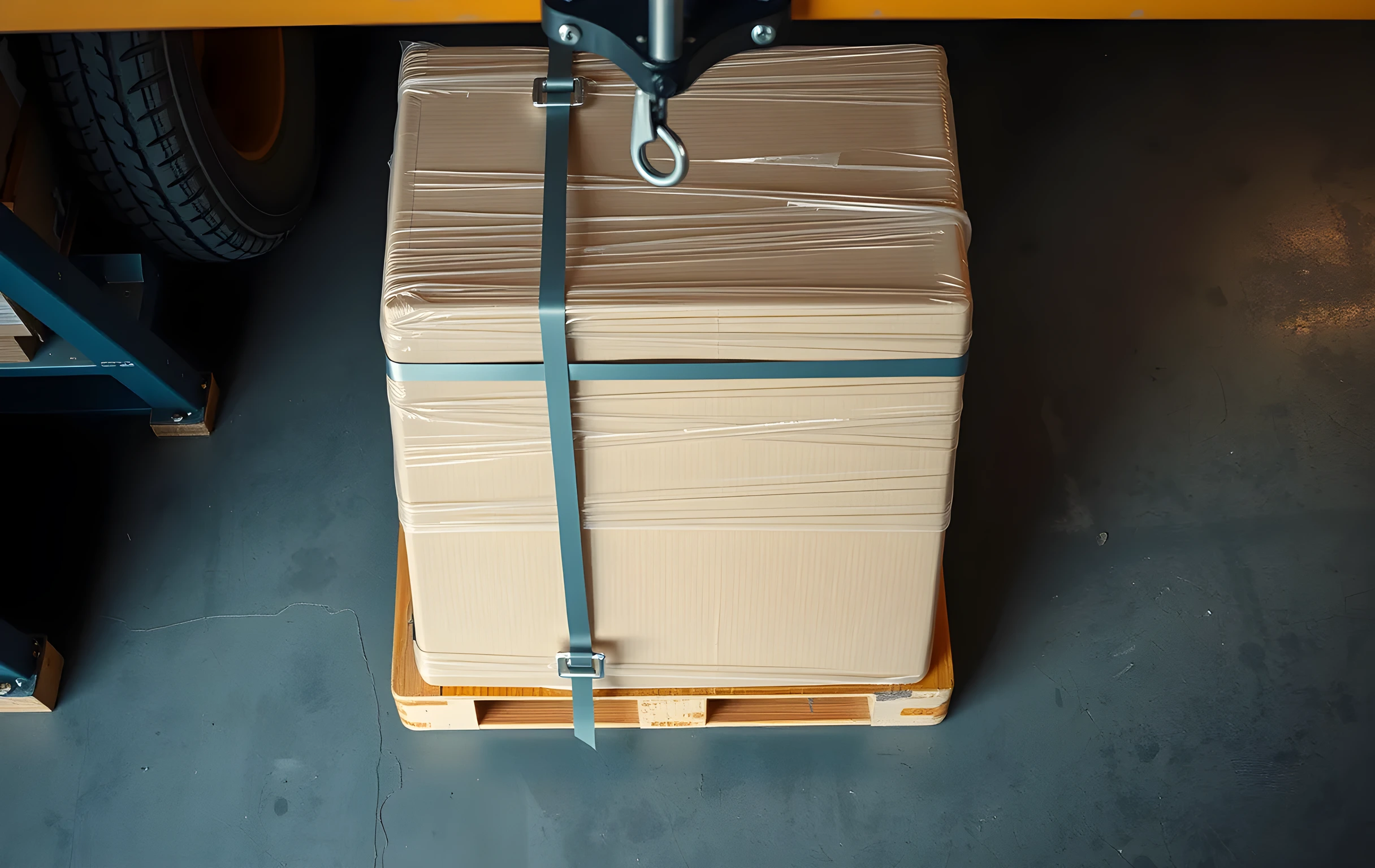
Industry data from the American Trucking Associations puts LTL damage-and-loss rates at 2.1 percent of shipments annually, with corner-dent and strap-fail being the top two causes. Under FOB shipping point the risk transfers the moment the carrier seals the door at the seller's dock. If four boxes arrive with a crushed corner in Columbus, you are the one photographing the damage within 48 hours, filing the claim with the carrier you selected, and absorbing the $190 restock cost while the paperwork takes three to five weeks. Under FOB destination that same claim is the seller's problem, but your restock lead time is identical because you still need those four units on the shelf this week.
The hours cost is where most buyers undercount. Filing a standard LTL claim runs 90 to 120 minutes of your time: photographs, bill-of-lading reference, damage description, follow-up call when the first adjuster denies coverage at 75 percent and you argue for full value. Multiply that across a year of inbound freight and you are spending four to six hours on claims administration that a seller with a dedicated logistics coordinator absorbs in eight minutes. At your internal labor rate of $45 an hour, that is $180 to $270 in hidden cost per claim event, which for a mid-size buyer handling 200 inbound shipments a year adds up to roughly $360 to $540 annually.
There is also the insurance layer. FOB shipping point means you carry cargo insurance on your own policy or buy it per shipment at 0.5 to 1.0 percent of declared value. A $2,400 pallet costs $12 to $24 in coverage. Under FOB destination the seller's all-risk marine or inland transit policy covers the goods, but that policy often caps liability at $100 per package regardless of actual value. If you are shipping high-value electronics or specialty components, that cap can leave you absorbing 80 percent of a loss even though the term says the seller is responsible.
How the Term Changes Your Cost Per Order
Pull the math into a single number and the picture sharpens. A buyer in Tulsa ordering 120 units of industrial fasteners from a supplier in Gary, Indiana (310 miles) sees a quoted goods price of $4,860 under FOB destination, freight included. The same goods come in at $4,540 under FOB shipping point, plus $212 in LTL freight and $18 in cargo insurance. Net cost: $4,770 versus $4,860. A $90 savings on a single order that also gives you carrier choice and a faster claims path. Over 50 orders a year that is $4,500 back in your P&L plus the four hours of claims admin you never spend.
The trade-off flips when your inbound volume is low and your receiving capacity is constrained. A shop that receives two or three LTL shipments a month and does not have a dock plate, a forklift, or a dedicated unload window will pay $60 to $120 per shipment in overtime labor to accept a delivery during a non-standard window. Under FOB destination the seller's carrier delivers to your receiving door during normal hours because that is how their contract lane is structured. For a two-person operation, the $90 freight savings evaporates the moment you pay one technician an extra hour of time-and-a-half to unload a truck at 4:47 PM on a Friday.
The practical threshold most operators land on: if your inbound freight runs above $15,000 per month and you have dedicated receiving staff, FOB shipping point wins on cost. If you are below that volume or your receiving window is tighter than the carrier's standard delivery slot, FOB destination saves more in labor hours than it costs in freight markup. Neither term is universally better. The right answer is the one where the total absorbed cost per order, including admin, claims, and receiving labor, is lower.
Structuring Your Quote So Buyers Can Actually Compare
Here is the findability problem that costs both sides money. A buyer in Reno searching for a supplier of specialty gaskets types the question into whatever tool they trust, and the AI-generated answer recites the definition of FOB shipping point from a 2019 logistics textbook without mentioning that the freight lane from Gary to Reno runs $640 versus $780 depending on who books it. The buyer cannot choose what they cannot price. A seller whose quote page buries the freight term in a three-page PDF attachment loses the comparison to a competitor who puts the all-in cost-per-unit, the carrier name, and the transit days right at the top of the line item.
The fix is not a marketing rewrite. It is restructuring the quote so the decision variables are visible before the buyer downloads anything. Line one: goods price per unit. Line two: freight, named carrier, transit days, whether it is included or separate. Line three: risk transfer point in plain language, dock at Gary or receiving door at Reno. A buyer who can see those three lines side by side with two competing suppliers makes the call in four minutes instead of forty-five, and your close rate on inbound RFQs climbs because you removed the ambiguity that sends them to the next name on the list.
This is also where showing up in AI-assisted search becomes a baseline expectation. When a procurement manager asks their preferred assistant tool whether FOB shipping point is cheaper for a 500-mile LTL lane, the answer that gets cited is the one with concrete numbers, named lanes, and a clear cost-per-order breakdown. A page that defines the term in two sentences and links to a glossary does not get surfaced. A page that says 'on the Memphis-to-Columbus lane, expect $175 to $210 in LTL freight, and here is how the claim risk shifts' gets pulled into the response. The findability of your commercial terms is now a revenue metric.
When FOB Shipping Point Is the Wrong Call
The term makes intuitive sense when you are moving volume through a dedicated receiving operation: a distribution center, a manufacturing floor with a dock, a 3PL that has its own carrier relationships. In those contexts you control the lane, you negotiate the rate, and the risk transfer at the seller's door is clean. But for a solo operator running an online store out of a garage in Boise who receives two LTL shipments a month from suppliers in different states, FOB shipping point means you are personally shopping for a carrier on every order, tracking a BOL number, and handling a claim if a strap fails somewhere between Albuquerque and your driveway.
The hours cost is the real number. Shopping for a carrier, comparing three quotes, scheduling a pickup, being available at the dock or loading zone during the four-hour delivery window, inspecting the shipment, and filing a damage report if anything is off: that is two to three hours per inbound shipment before you have touched a single unit of product. At your effective hourly rate, that is $90 to $135 in labor per shipment that FOB destination would have absorbed into the goods price for a 4 to 7 percent markup. On a $2,000 order, the markup is $80 to $140. The terms are almost identical in total cost, but one of them costs you an afternoon.
The exception that changes the math: high-value or fragile goods where the seller's standard carrier has a poor damage record on your lane, or where the FOB destination policy cap leaves you exposed. In those cases the $12 to $24 cargo insurance premium and the extra hour of claims admin are cheaper than eating a $1,800 write-off because the seller's carrier dropped the pallet in a transfer hub. Know your lane's damage rate before you lock the term, because the freight savings on paper can be an illusion if one bad shipment erases a quarter's margin.