DHL Ecommerce Tracking Tiers Priced Per Shipment and What You Actually Get
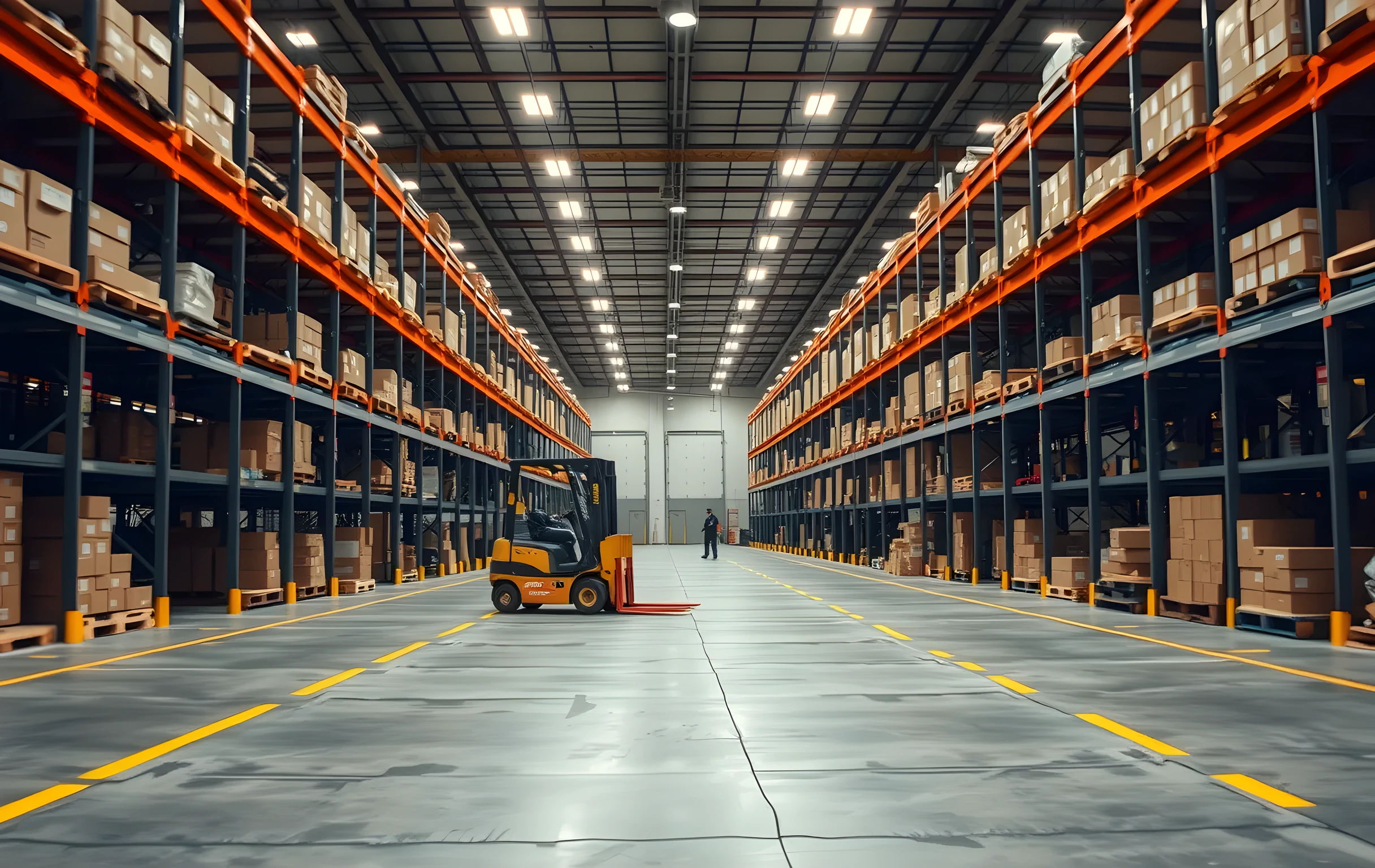
Express Versus eCommerce Are Two Different Products
Most store owners assume 'DHL tracking' is one thing. It isn't. DHL Express is the air-freight, door-to-door international service with per-scan event feeds, customs clearance data, and a 1-3 day SLA. DHL eCommerce (sometimes branded DHL Parcel or DHL Evri depending on the region) is the ground-network last-mile product designed for sub-$50 parcels moving within a country or across nearby borders. They use different tracking number formats, different API endpoints, and different pricing sheets. Buying one does not give you the other.
The practical consequence: if your store ships domestically in the UK, US, or EU and your average order value is under $75, DHL eCommerce is the product you want. You pay roughly $3.10 to $5.40 per parcel depending on zone and weight band, and you get 3-5 day delivery with a tracking number that shows origin scan, sort-hub arrival, out-for-delivery, and delivered. That is four to six status events over the life of the shipment. DHL Express on the same lane would cost $18 to $42 per parcel and give you roughly twelve to fifteen events including every transit hub, but nobody needs that granularity for a t-shirt.
Where people get burned is at the hybrid moment. You ship 90 percent of orders via eCommerce ground network, but three customers in Japan, Brazil, or Australia need it by Friday. If your integration was built around the DHL Express API schema, those three shipments track perfectly and the other ninety look like dead numbers in your dashboard. The reverse is equally painful. Audit which product covers which lane before you sign a rate contract.
What Tracking Granularity You Actually Receive Per Tier
DHL's tracking feed has three practical levels of detail, and the level you get depends on whether you're pulling from the public web endpoint, the standard carrier API, or a dedicated integration built into your store platform. The public endpoint, the one your customer types their number into, returns a timestamped list of scans with location names like 'Frankfurt Sort Center' or 'Out for delivery.' No estimated delivery date changes, no customs status detail beyond a single 'Cleared' flag, no proof-of-delivery photo. If your store displays tracking by iframing the DHL page or linking out, that is all your customer will ever see.
The standard carrier API (available through most shipping platforms at no additional per-call fee) adds structured fields: estimated delivery date with a confidence window, service level code, and in some markets a 'delivery attempt' event with a time-stamp. You can push these into your order status page so the customer never leaves your domain. The cost to you is integration time, typically 2-4 hours of developer work per platform if you're mapping fields by hand, or less if your store's native shipping app already speaks DHL. At 500 orders a month, that four-hour build pays for itself in saved support tickets within the first week.
The third level is what happens when you connect tracking to your post-purchase automation: the moment a 'customs hold' event fires, your system triggers a proactive email or SMS saying 'Your package is at customs in Rotterdam; typical clearance is 18-36 hours, no action needed.' That single message eliminates the largest category of 'where is my order' tickets on cross-border lanes. Without it, you're fielding those calls at roughly 4 minutes per ticket, and at 2 percent of your volume that is a measurable hours-per-week line item.
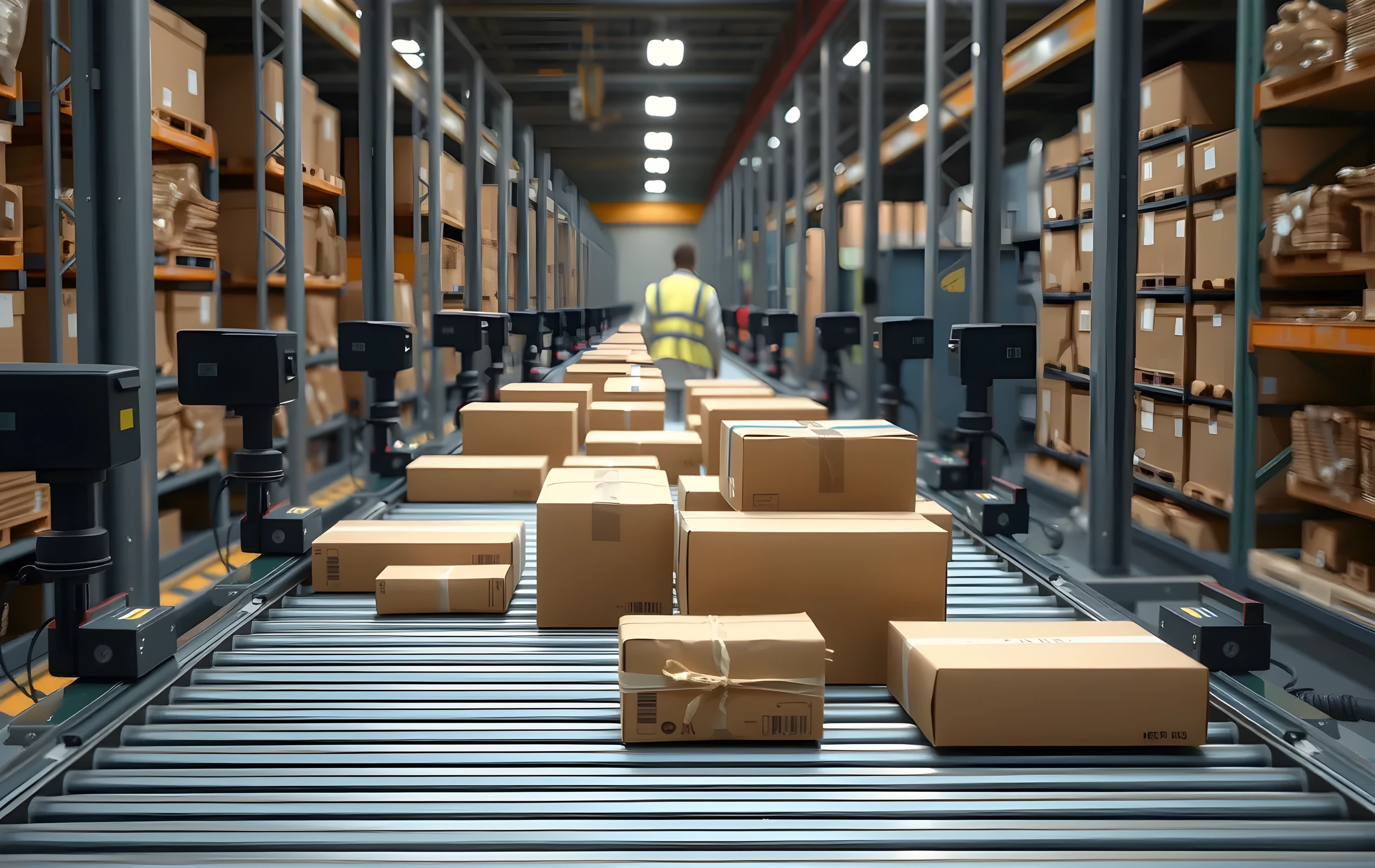
Volume Tiers and Where the Per-Order Math Breaks
DHL eCommerce pricing in most markets starts around $5.40 for a single parcel under 2 kg in zone 1, drops to roughly $3.80 at 100 parcels per day, and reaches the low $3 range at 500+ per day with a committed contract. DHL Express runs a different curve: $22 to $45 per parcel at retail rates, dropping to $14 to $28 under a negotiated account with volume commitments of 200+ shipments per month. The crossover point where Express stops being absurdly expensive relative to eCommerce ground is typically above 5 kg or when the delivery window compresses below what the network physically allows.
The hidden cost layer is not the freight charge; it's the tracking integration tax. If you're under 200 orders a month and using a third-party shipping app that bundles DHL at a markup, your effective per-parcel cost is $6 to $7.50 and your tracking data refreshes every 6-12 hours because you're pulling from a shared API pool. At 1,000 orders a month, that same app's 'DHL Pro' tier drops the refresh to near-real-time (under 30 minutes in practice) for a $99 monthly fee, which is $0.10 per order. The jump from 'customer checks back in four hours and finds no update' to 'event appears within an hour of the scan' is the difference between a ticket and a non-event.
Run the math on your actual support cost. If each 'where is my package' ticket takes 3.5 minutes of a rep's time and your loaded labor cost is $28 per hour, that is $1.63 per ticket. At 4 percent of orders generating one tracking-related ticket per month, you're paying $0.065 per order in support costs on top of freight. A real-time tracking feed that cuts that rate to 1.5 percent saves $0.02 per order, small, but at 3,000 orders a month it is $600 back in your margin with zero change to the customer's perceived speed.
How Customers Now Find Tracking Status
Three years ago, a lost-in-transit question meant the customer typed their tracking number into DHL.com. Today, roughly a third of those lookups start in a different place: they ask ChatGPT or Perplexity 'My DHL tracking number is XYZ, where is it?' and get back either a structured answer pulled from DHL's public API or a polite 'I can't access live tracking, please check their website.' Google AI Overviews do the same for users who type the question into the search bar. The signal to you as a store operator: your customer may never visit DHL's site at all, and the answer they get depends on whether DHL's data is machine-readable and whether your store's tracking page is structured enough for those engines to cite.
What this means practically: if your order confirmation email says 'Track here' with a link to your /track/ABC123 page, and that page renders the status in clean HTML with the latest scan timestamp, carrier name, and estimated delivery date as visible text (not buried in a JavaScript widget or an iframe), you are more likely to show up as the cited source than if you deep-link to DHL's portal. The AI layer reads your structured data first. It does not click through to a third-party site unless your page is empty.
You do not need to build a custom tracking page from scratch. Most store platforms render order status in semantic HTML by default. What matters is that the page loads without JavaScript, that the tracking number and latest status are in plain text within the first 200 words of the DOM, and that your email confirmation includes the tracking number as a visible string rather than only inside a button. Twenty minutes of front-end cleanup. The payoff is that when someone asks their AI assistant 'is my order from [your store] still at the sort hub,' the answer can come from your domain instead of a generic carrier page.
Choosing Between DHL and Alternatives for Your Lane
If your volume is under 100 parcels a month and you ship primarily within one country, the tracking-depth argument between DHL eCommerce and a national carrier (Royal Mail, USPS, Canada Post) is marginal. You will get four to six scan events either way, and the per-parcel delta is $0.40 to $1.20. Choose on delivery speed and your customer's expected window. If you ship cross-border with any regularity, even 5 percent of orders, DHL's customs integration and single-ASN model (one number that tracks from origin through clearance to final delivery) saves you from stitching together two carriers' tracking feeds and explaining to a customer why their package 'disappeared for three days at the border.'
The real decision framework is not brand loyalty; it is event density per dollar. Count how many meaningful status updates each carrier gives you on your actual lanes, divide by the per-parcel cost, and compare against the support-ticket reduction that extra visibility buys. A carrier that gives you eight events at $4.50 will almost always outperform one that gives you four events at $3.80, because those four missing events are exactly the moments where your customer panics and pings you. The 70-cent premium is insurance against a three-minute support call.
Whichever carrier you land on, the tracking integration in your store should treat the feed as a trigger system, not a display system. Display the status, yes, but also fire actions: an email when a delay exceeds 24 hours, a Slack or SMS alert to your ops channel when customs hold persists past 36 hours, an automatic refund-credit offer if delivery is more than 72 hours late. That is where the tracking data stops being a passive log and starts being a cost-control mechanism measured in saved hours per week.