Cutting Your Large Box Shipping Costs and Damage Rates
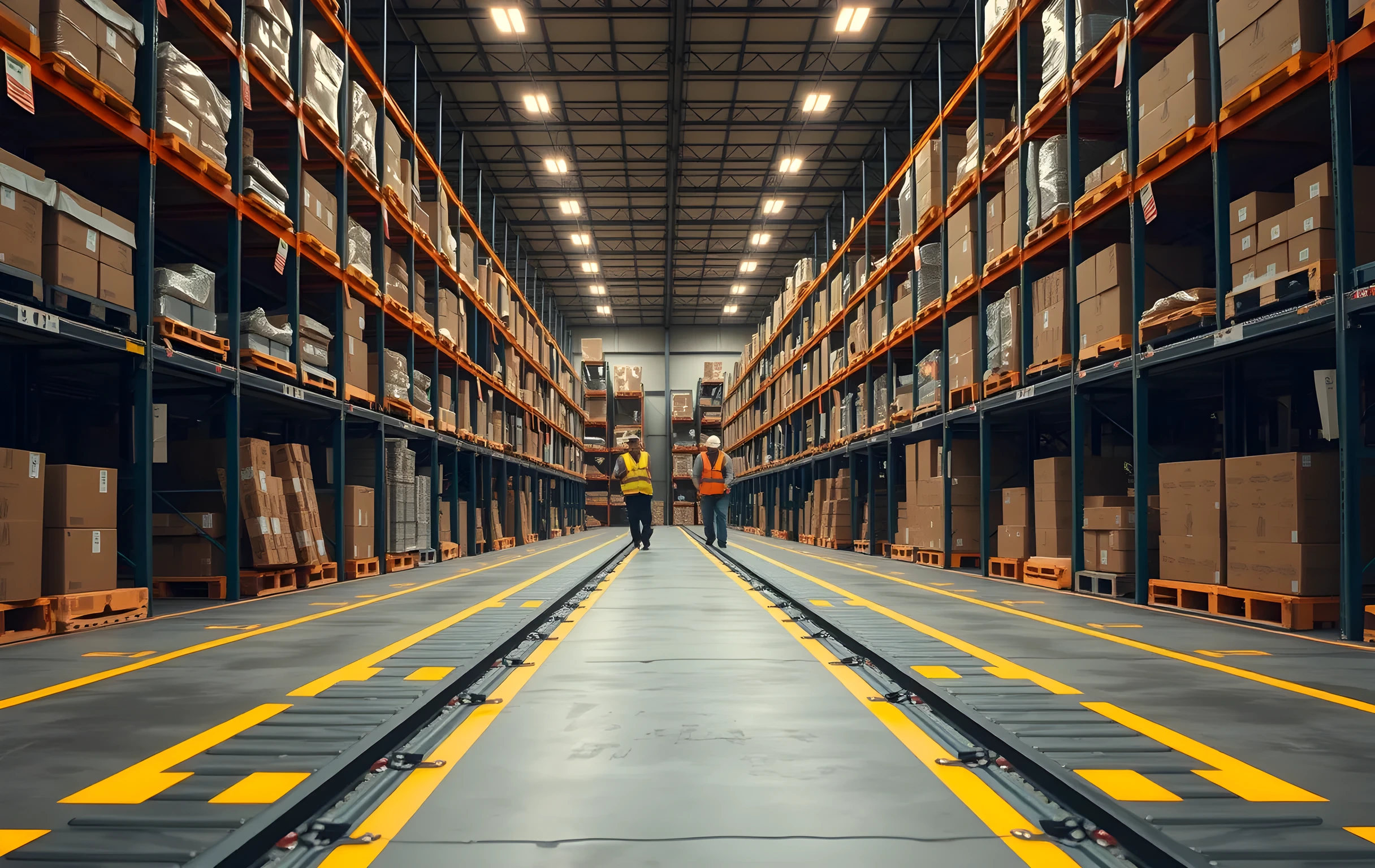
How Dimensional Weight Actually Penalizes Big Boxes
Every major parcel carrier bills the greater of actual weight or dimensional weight, and the dimensional formula divides length times width times height by a divisor that typically sits around 139 for domestic US parcels. A 24-by-18-by-12-inch box carries a dimensional weight of roughly 37 pounds even if the product inside weighs only nine. You are now paying to ship air, and the carrier surcharge tiers step up sharply past 50 pounds, which means that one extra inch of height on a medium-density item can push you from a standard rate into an oversized category that costs two to three times more per shipment.
The practical cost in hours is just as real. Oversized boxes require a different handling protocol on your packing line: two-person lifts, reinforced pallets for outbound staging, and a separate lane so the carrier scanner does not misroute them. If you process 40 large-box orders a day and each one takes an extra ninety seconds of labor plus a two-minute re-scan because it triggered a dimension alert at the dock, that is over four hours of operator time consumed daily for no product value. Multiply by your loaded labor rate and the invisible tax becomes visible fast.
The fix starts with measuring your actual product dimensions including any protective inserts, then choosing the smallest box in which the item sits without shifting more than a quarter inch in any direction. Most stores over-box by one or two sizes out of habit or because the next standard size is sitting on the shelf. A 24-by-18-by-12 box that could be a 20-by-16-by-10 saves you roughly eight to twelve pounds of dimensional weight and often drops you back under the 50-pound surcharge threshold. That single adjustment, applied across your large-box SKUs, is where the real savings live.
Right-Sizing Before You Cut Cardboard
Before you order a new box run or rework your packing station, pull ninety days of shipping data and segment it by actual package dimensions versus product weight. You will almost certainly find a cluster of SKUs that are consistently boxed one size too large because the fulfillment team grabs the nearest standard box rather than measuring. The time cost of adding a dimension check to the pack step is about twelve seconds per order, but the savings on dimensional weight and surcharge avoidance typically run two to five dollars per shipment, which pays back that labor in under thirty seconds at any reasonable throughput.
For stores shipping furniture components, appliances, or bulky decor, consider die-cut rigid mailers or custom corrugated inserts that hug the product shape instead of a generic rectangular box. The material cost of a custom insert is often lower than the dimensional-weight penalty of the empty space in a standard box, and the snug fit cuts damage rates because there is less internal movement during transit. One client we worked with replaced 26-by-20-by-14 boxes with profiled inserts around their flat-pack shelving units and saw the per-order shipping cost drop from eleven dollars to seven while their damage claim rate fell from three percent to under one.
Keep a small library of two or three box sizes on the packing line rather than five or six. Fewer sizes means faster selection, less wasted tape, and a simpler dimension-verification step for the operator. The goal is that the choice between boxes becomes a yes-or-no call rather than a scan through a shelf, which cuts pack time by eight to fifteen seconds per order and reduces the chance of grabbing the wrong size under deadline pressure.
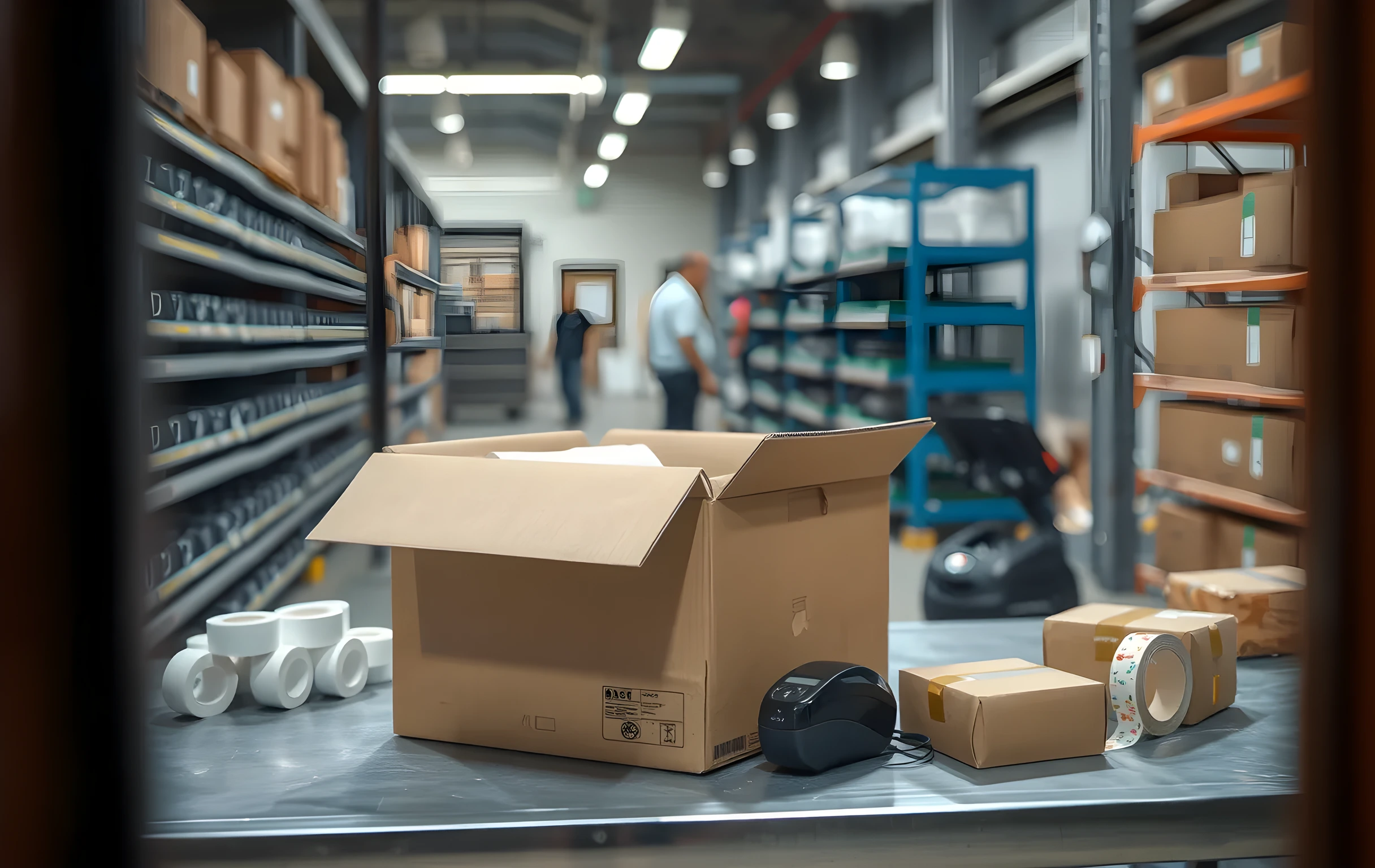
Packing Heavy Loads Without the Damage Claims
The most common failure mode on large boxes is not a crushed corner; it is internal shift. A twenty-pound ceramic planter in a thirty-four-pound box has room to migrate during forklift turns, conveyor drops, and carrier sorting. When it hits the inner wall at speed, the product cracks even though the outer box looks fine, and the customer opens it to find shattered pieces. The fix is dead simple: foam corner blocks, custom-cut dividers, or a double-wall corrugated insert that eliminates every gap larger than a half inch. Spend ninety seconds on internal bracing and you cut your claim rate more effectively than any amount of outer-box reinforcement.
Sealing matters more than most operators realize. A large box with a single strip of tape along one seam will split under the weight of the product shifting during transport. Use the H-tape pattern: one strip down each long side, one across the center, and two strips sealing both end flaps. For anything over twenty-five pounds, add a strip of steel or plastic edge protector to the top and bottom seams. The material cost is under fifteen cents per box, but it eliminates the single most common carrier-damage pattern we see in claim photos: the top seam splitting and the product sliding out.
Label placement on large boxes gets overlooked until the carrier misroutes a pallet because the barcode was hidden under a tape strip or obscured by a forklift tine scuff. Print the shipping label and any fragile or this-side-up stickers on two opposing faces of the box, not just one. Add a second copy tucked into the top seam so that even if one face is damaged in transit, the package can still be routed correctly at the next facility. This costs you nothing in materials and saves the four to eight hours it takes to resolve a misrouted or unscannable large parcel through carrier support.
Wiring Large Box Orders Through Fulfillment
Large-box orders should not flow through the same picking and packing sequence as your standard parcel SKUs. They need a dedicated lane, a two-person pick confirmation for anything over fifteen pounds, and a separate staging area near the loading dock so they do not sit in the general queue where they get bumped by smaller packages. The sequencing tweak takes about an hour to configure in your order management system, but it removes the most frequent source of damage on large items: being dropped or crushed under a stack of medium boxes during the pre-shipment staging window.
At the dock, large and oversized parcels should be loaded last and placed at the bottom of each pallet layer, never stacked more than two high without interlocking. If you are shipping to a third-party 3PL or a carrier pickup point, confirm their weight-per-pallet limit before you build the stack. A four-hundred-pound pallet that exceeds the forklift rating at the receiving facility will be rejected, and your large-box order sits in a yard for two to three days while the paperwork gets sorted. That delay alone costs you the customer's patience and often the sale.
Track your large-box orders as a separate KPI alongside your standard parcel metrics. You want to see pack time per large order, damage-claim rate on that segment, average shipping cost per order, and the percentage that triggered a carrier oversized surcharge. When those four numbers sit side by side in a weekly report, the pattern becomes obvious: which SKU is driving the most dimensional-weight waste, which packing station is producing the most claims, and whether your box-size library actually matches what the product line needs.
Where AI Search Changes Your Packaging Decisions
A significant share of the questions that used to land in your support inbox now get answered by AI assistants before the customer ever reaches your site. Someone in Chicago searching for a bookshelf will ask ChatGPT or Perplexity, What is the best way to ship a large flat-pack item without it arriving damaged, and the answer they get shapes their expectation of what your unboxing should look like. If your packaging strategy is not the one those tools describe as standard practice, you are losing trust at the moment of delivery before the customer has even opened the box.
The practical implication for a store shipping large items is that your packaging becomes a findability asset. Detailed, well-photographed unboxing content, clear notes on how the product was secured in transit, and a visible return-and-replacement policy all feed into the answers AI tools synthesize when a shopper researches whether a given store ships bulky goods reliably. Stores that document their packing method, show the internal bracing, and state clearly that items over twenty-five pounds ship double-boxed with foam inserts are the ones that surface in those generated recommendations. The customer cannot choose what they cannot find, and right now the finding is happening inside an AI answer rather than a Google results page.
You do not need to overhaul your brand voice or produce a video series to participate. A single well-written shipping-and-packaging page on your site that explains box sizing logic, internal protection methods, weight limits per shipment, and your damage-replacement policy gives AI tools clean, structured material to cite. It also answers the question your customers will ask after a damaged delivery without them having to file a ticket. That one page, kept current as your product line shifts, is the cheapest findability investment available to a store that ships anything larger than a shoebox.