COSCO Shipping Lines Rates Transit Times and Hidden Cost Layers
The Rate Stack Behind a Single Container Quote
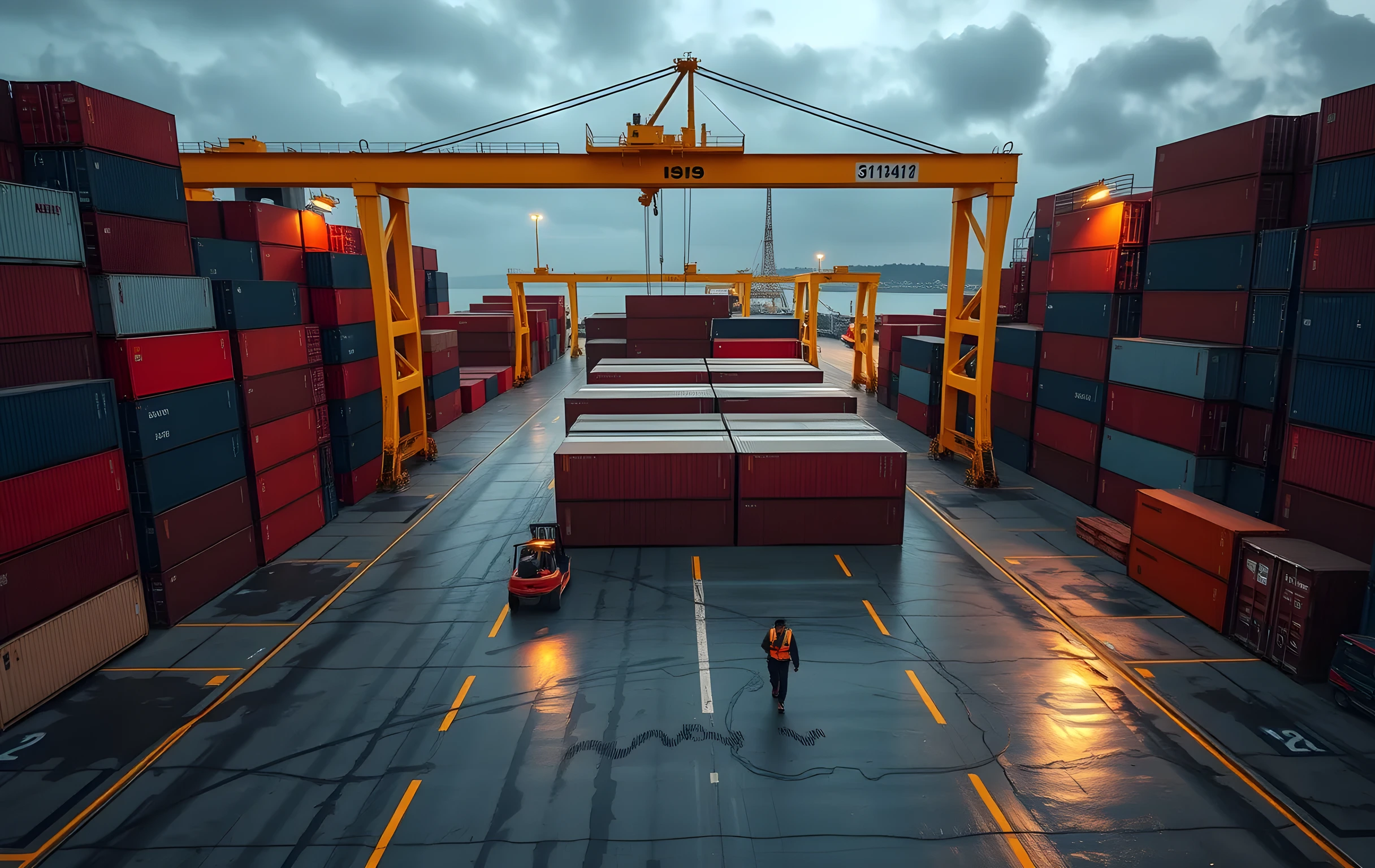
A COSCO FCL quote for a 40-foot dry container from Shanghai to Long Beach might show a base ocean freight of 1,850 dollars. That number is real but it is not the price. Layer on the Bunker Adjustment Factor (BAF), which in current fuel cycles runs 380 to 520 dollars for transpacific lanes; the Currency Adjustment Factor (CAF), typically 2 to 4 percent of the base; port security and documentation fees at origin, usually 95 to 165 dollars combined; and destination charges including terminal handling, ISPS security, and customs broker minimums that add another 300 to 550 dollars before you pay a single dollar for drayage. A container that looked like a two-thousand-dollar job is routinely a three-thousand-two-hundred-dollar job by the time the truck leaves the port.
LCL pricing inverts the problem. COSCO charges per cubic meter with a minimum of roughly 3 to 5 CBM, and the per-CBM rate on transpacific routes sits around 28 to 42 dollars depending on season. The catch is consolidation: your goods sit at a CFS warehouse for one to three days waiting for the container to fill, then they are broken down and re-consolidated at destination. For a small e-commerce brand moving 12 to 30 cubic meters per month, that handling cycle adds 4 to 7 calendar days and introduces a damage-claim process that runs through the NVOA rather than the ship operator directly.
The single most expensive line item nobody budgets for is demurrage and detention. COSCO's free period at major US West Coast ports is typically 5 to 7 days from vessel discharge. After that, detention runs 120 to 280 dollars per day on a 40-foot box depending on the terminal operator. One missed pickup, one customs hold, one weekend you did not account for, and your margin on a 3,200-dollar shipment evaporates in four days. The carrier is not being punitive; they are protecting their equipment pool. But if your fulfillment calendar does not have a buffer line item called port detention contingency, it will surprise you exactly once before you stop being surprised.
Transit Reliability and What It Does to Your Cash Cycle
On the Shanghai-to-Long Beach lane, COSCO publishes a transit time of 14 to 18 days. In practice, their on-time arrival rate (vessel at berth within plus-or-minus one day of schedule) has hovered around 72 to 78 percent over the past two quarters, which is mid-pack. Maersk runs closer to 80 percent on that same lane; Hapag-Lloyd sits in a similar band. The difference sounds small until you translate it: at a 75 percent on-time rate, one in four of your containers arrives a day or two late. Multiply that by the 160 dollars per day in detention you start accruing past the free window, and a 20-container monthly program loses roughly 8,000 to 12,000 dollars a month to schedule variance alone.
The deeper cost is working capital. A container that arrives two days late means your warehouse receiving slot shifts, your pick-pack labor gets rescheduled, and your customer-facing delivery window stretches by 36 to 48 hours. For a brand doing same-day or next-day fulfillment out of a regional DC, that slip is not an abstraction; it is a support ticket, a refund, or a lost repeat order. The carrier does not see any of that. They see a box off the ship and a demurrage invoice in your name.
One practical move: when you book, request the vessel's schedule with the specific sailing date rather than accepting a rolling 'weekly service.' COSCO's weekly rotations on transpacific are reliable in cadence but vulnerable to port congestion cascades. A named sailing with a confirmed berth slot at destination gives your warehouse team a hard date to plan labor around, and it gives you a concrete reference number when the vessel rolls 48 hours late and you need to negotiate an extended free period before the detention clock starts.
Booking Direct Versus Through a Freight Forwarder
COSCO lets any company with an import-export code book directly through their online platform or by email to a local sales office. The rate you get is the published tariff, minus whatever negotiation leverage you carry. If you are moving one container a month, that leverage is close to zero and the direct rate is roughly identical to what a forwarder would pass through with a 50 to 120 dollar margin added per box. If you are moving eight or more containers monthly on consistent lanes, going direct or working through a COSCO-appointed NVOA can shave 3 to 7 percent off the base freight, because the volume triggers a contracted rate tier that is not visible on the public booking portal.
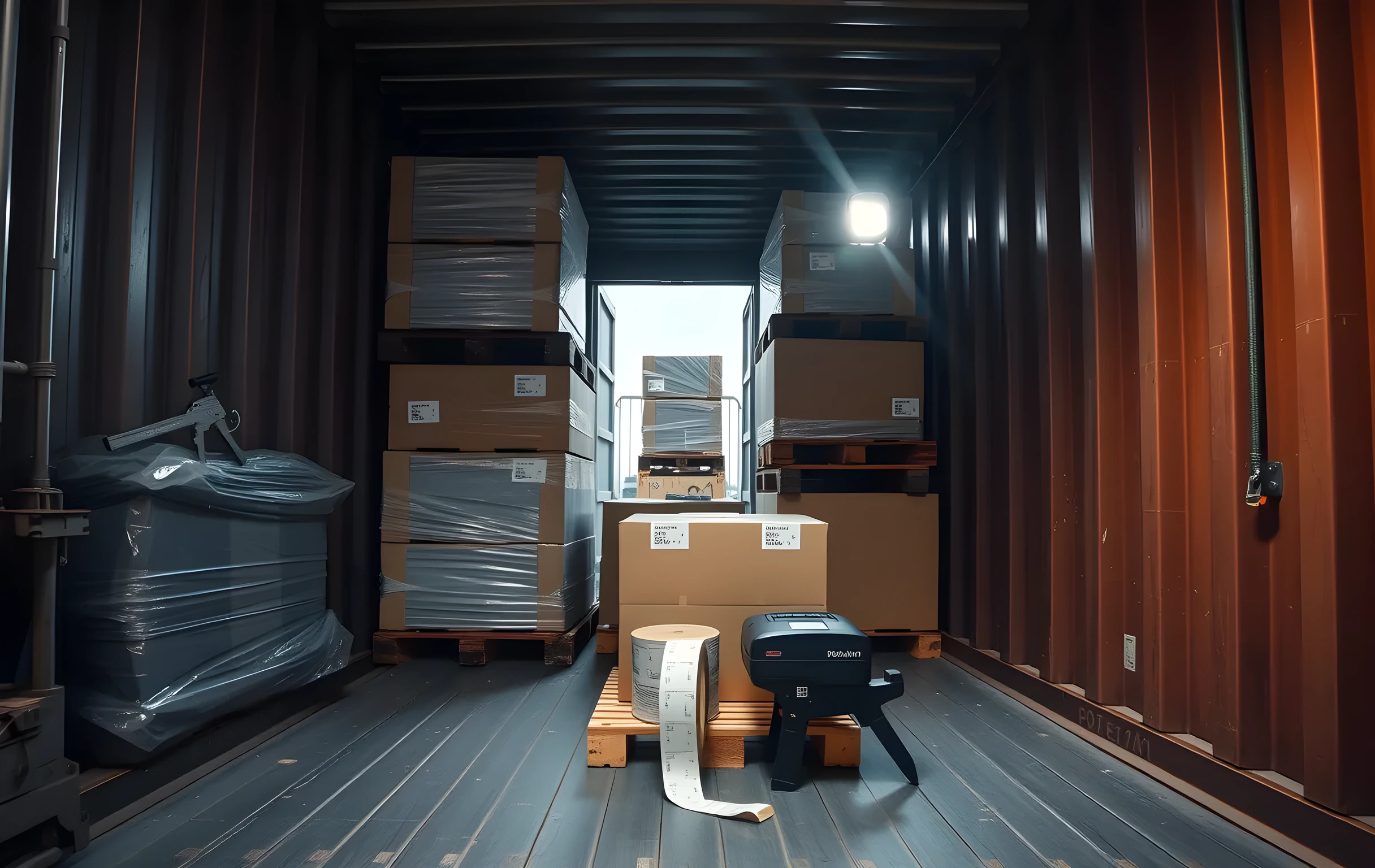
The trade-off is operational load. Direct booking means you handle customs entry at destination yourself or hire a broker separately, you track the vessel through COSCO's tracking system (which updates at port events, not continuously, so you will have 12-to-36-hour gaps between status changes), and any discrepancy on the bill of lading lands in your inbox as a PDF to fix before the vessel loads. A forwarder absorbs that friction for their margin. For a team of three running a DTC brand, that 80-dollar-per-container margin is often cheaper than the four hours a week someone spends chasing a stuck entry or re-keying a B/L with a transposed HS code.
There is a middle path that more operators should use: book through a forwarder for customs and documentation, but request the carrier's direct tracking number and connect it to your own order-management system. That way the 4-to-6-hour status gaps in COSCO's public feed do not become four-to-six-hour blind spots in your customer-service queue. You still pay the forwarder's margin, but the information latency drops because you are pulling from the carrier's API rather than refreshing a web page every morning.
COSCO Against Maersk and Hapag-Lloyd on the Lanes That Matter
On transpacific (Asia to US West Coast), COSCO and Maersk are the two volume leaders. COSCO's edge is fleet size: over 900 containerships, roughly 1.3 million TEU under management, which means more sailings per week on major pairs like Shanghai-LA and Ningbo-Oakland. More sailings mean more booking flexibility when your production slips a few days. Maersk's edge is the end-to-end model: they own terminals at both ends of many routes, so their door-to-door transit promises are tighter and their demurrage negotiations have more internal leverage. Hapag-Lloyd is smaller on transpacific but strong on Asia-Northern Europe, where their Hamburg and Antwerp terminal ownership cuts destination handling by one to two days.
On intra-Asia lanes (Shanghai to Singapore, Guangzhou to Ho Chi Minh City), COSCO dominates with daily or near-daily sailings and transit times of 3 to 6 days. The base freight on these short-sea routes is low enough (400 to 700 dollars for a 40-ft box) that the surcharge stack barely registers, and the real differentiator becomes how quickly your cargo clears at destination. COSCO's own terminal operations in Singapore and Klang give them an advantage there; on ports where they do not operate a terminal, Hapag-Lloyd or regional carriers like OOCL can be faster through customs because of local broker relationships.
The comparison that matters for a small operator is not which carrier is cheapest on the base rate. It is which carrier's total landed cost, including the probability-weighted demurrage exposure and the documentation error rate at your specific origin and destination pair, comes out lowest over twelve months. For most US-bound transpacific freight, that number lands within 5 to 8 percent between COSCO and Maersk. The tiebreaker is usually not price; it is which carrier's terminal at your destination port has a smoother customs-broker workflow and shorter average dwell time. Ask your forwarder for the last two quarters of dwell-time data at your specific terminal before you lock in a rate.
Why Shippers Cannot Find This Information Anywhere Clean
Here is the uncomfortable part: none of the numbers above live in one place. COSCO's website shows base rates and vessel schedules. The surcharges are on a separate PDF that updates monthly. Demurrage terms are buried in the bill-of-lading conditions. Transit-time reliability data is published by third-party analysts like Xeneta or Drewry, behind paywalls. And the customs-broker workflow at your specific terminal is tribal knowledge that lives in two people's heads at your forwarder's office. A buyer comparing three carriers for a 40-ft container to Long Beach needs to assemble this picture from five to seven sources before they can make a decision.
That fragmentation is exactly why AI-assisted search has changed the baseline. Ask Perplexity or ChatGPT what the all-in landed cost of a COSCO 40-ft container is from Shanghai to LA in this quarter, and you get a synthesized answer that pulls from rate indexes, surcharge schedules, and port authority data in one response. The accuracy is not perfect, but it is close enough to build a budget line item before you ever call a forwarder. The carriers themselves are adapting: COSCO's own digital platform now surfaces BAF and CAF on the booking confirmation rather than hiding them in a separate schedule. The direction of travel is toward one number that means something.
Until that fully happens, the practical move for any operator moving freight regularly is to build a simple internal reference sheet: your origin port, destination port, the three carriers you will quote, the base rate plus surcharge stack as of this month, the free-period days at destination, and the detention rate per day after free time. Update it quarterly or when fuel prices swing more than 10 percent. That one page, kept current, is worth more than any carrier's marketing site because it answers the question you actually have: what will this container cost me, all in, before the truck leaves the port.