Chewy Fulfillment Center Costs, Speed, and Vendor Requirements

Chewy's Distribution Network at a Glance
Chewy operates roughly twenty-five to thirty distribution centers spread across the continental United States, with heavier clusters in the Southeast, Midwest, and Pacific Northwest. Each facility handles inbound receiving from vendors, put-away into location-coded bins, order picking by zone, pack-and-label at a staging lane, and same-day or next-morning dispatch to regional carriers. The network is designed so that over ninety percent of US ZIP codes fall within a two-business-day delivery window, and a growing share sits inside one business day.
For a vendor evaluating placement, the geographic spread matters more than raw square footage. A product stored in Chewy's Atlanta hub will reach a Georgia customer in under twenty-four hours at roughly $4 to $6 in last-mile cost per parcel, while the same SKU shipped from a single Midwest warehouse to a California customer carries $12 to $18 in line-haul plus final delivery. Multiplying that delta across a monthly order volume of five hundred units is the difference between a sustainable margin and a loss leader.
Worth noting for 2025: when a pet owner asks an AI assistant, 'Where can I get grain-free kibble delivered by tomorrow,' the answer increasingly comes from structured data feeds rather than a search results page. Products sitting in a recognized, well-indexed fulfillment network like Chewy's get surfaced in those AI-generated answers automatically. Being findable in that layer is no longer optional; it is the default discovery channel for impulse and replenishment purchases.
Vendor Pricing and Margin Requirements
Chewy does not charge a flat per-unit fulfillment fee the way Amazon FBA does. Instead, the economics work through a wholesale pricing model: you set your cost of goods, add your desired margin, and Chewy sets the retail price at roughly 2.5 to 3 times your net cost. In practice, that means if your fully loaded unit cost is $8 (product, labeling, freight to their DC), Chewy will list the item around $20 to $24. Your effective take-home after Chewy's margin sits in the $10 to $13 range per unit before you account for returns, chargebacks, and co-op advertising deductions.
Compare that to self-fulfillment from your own warehouse, where a comparable order might cost you $3.50 to $5.50 in labor, packing materials, and carrier fees on a single-parcel shipment. The raw fulfillment cost is lower, but you lose the demand-generation layer: Chewy's customer base of roughly 28 million active shoppers does the discovery work for you. The trade-off is that you surrender pricing control and a meaningful slice of gross margin.
One number to model carefully: Chewy's return rate on pet products historically runs between four and seven percent, higher for food items (taste, texture, ingredient changes) than for toys or accessories. Each return costs $3 to $5 in reverse logistics plus the lost unit. At a $20 retail price point, a six percent return rate erodes roughly 1.2 percent of revenue before you even touch profit. Factor that into your wholesale pricing from day one.
Shipping Speed Tiers and Regional Coverage
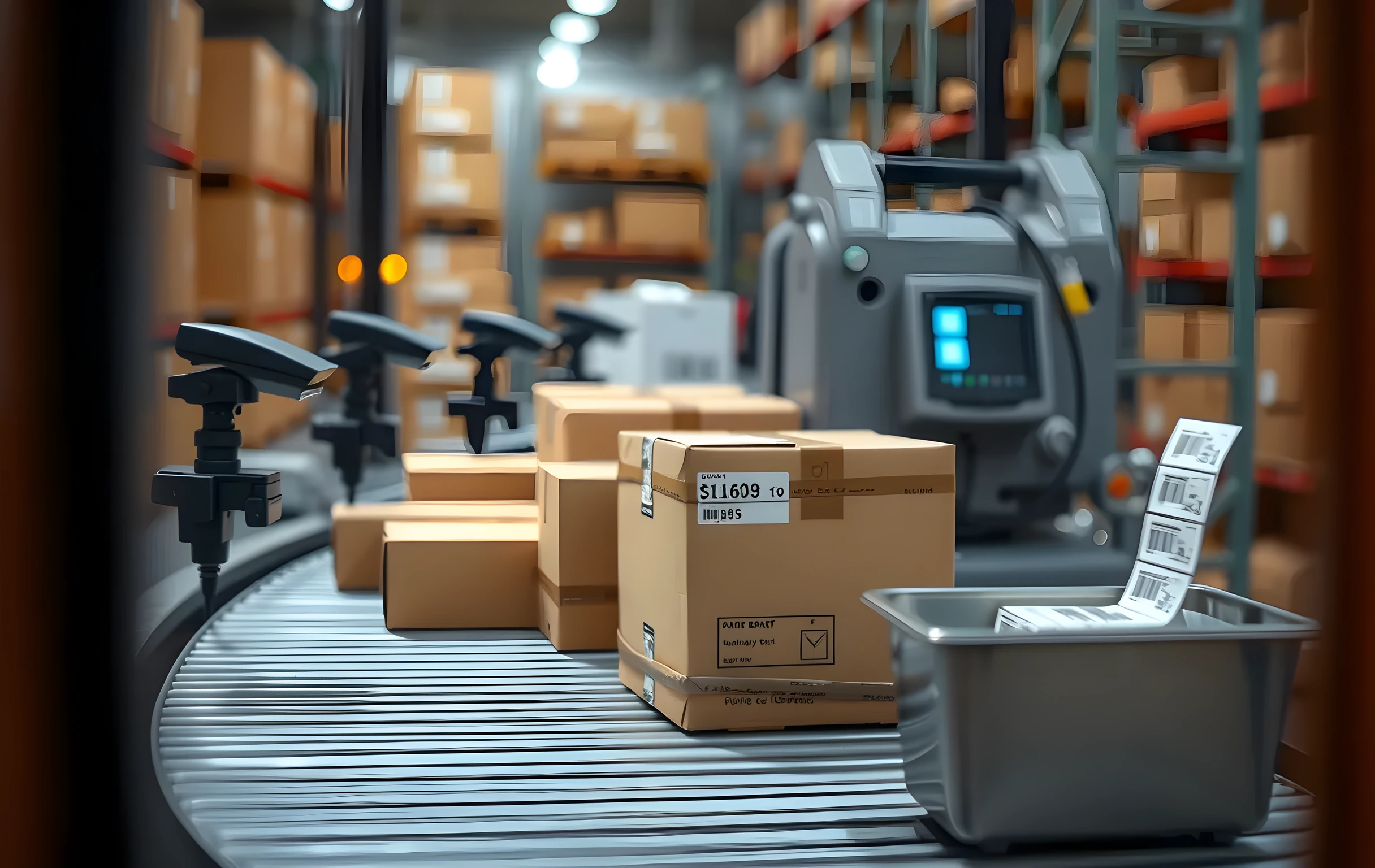
Chewy offers three customer-facing speed tiers: Standard (three to five business days, free), Chewy One members get two-day shipping on eligible items at no extra charge, and one-day delivery is available in roughly thirty-five to forty percent of metro areas depending on the nearest DC's inventory depth. For a vendor, the practical implication is that your product must be split across multiple regional facilities to hit the one-day promise. A single-warehouse arrangement will still clear two-day for most of the country but will miss the one-day window entirely in regions served by a different hub.
The operational cost of multi-hub stocking is real. Chewy's vendor portal lets you designate which DCs receive which SKUs and in what quantities, but there is no automatic rebalancing. If your best-selling 40-pound bag of kibble sits only in the Dallas facility, a customer in Phoenix will see two-day shipping while a customer in Nashville sees one-day. Over a quarter, that asymmetry shows up as a measurable conversion gap on the product detail page.
A practical rule from vendors we have spoken with: keep at least three to four units of every A-tier SKU in each of the five to six DCs closest to your top-twenty ZIP codes. That typically means holding 250 to 400 extra units in slow-moving inventory, tying up roughly $2,000 to $6,000 in working capital depending on unit cost. The conversion lift from one-day eligibility generally recovers that capital within six to eight weeks of sustained sales.
Chewy Versus FBA and Self-Fulfillment
Amazon FBA charges $3.77 to $9.85 per unit depending on size tier, plus a monthly storage fee of $0.78 to $2.40 per cubic foot, plus referral fees of fifteen to forty-five percent of the sale price. For a pet product in the $15 to $30 range, total Amazon take is typically thirty to forty percent of revenue before advertising. Chewy's model, as described above, lands closer to twenty-five to thirty-three percent all-in for comparable price points. The gap narrows if you are already paying for sponsored placements on Amazon; it widens if you are not.
Self-fulfillment wins on margin and brand control. You own the unboxing experience, you set shipping speed directly, and your customer data is yours. But you also carry the warehouse lease, the picking labor (roughly $14 to $22 per hour in most US metros for a trained packer), the carrier rate negotiations, and the software stack that ties orders to inventory. At under two hundred orders per day, self-fulfillment often costs more per unit than Chewy's bundled model because you cannot spread fixed overhead across enough volume.
The hybrid approach many mid-size pet brands use: list on Chewy for the high-volume, high-margin staples (food, treats, basic accessories) where discovery and speed matter most, and self-fulfill the long-tail or premium SKUs where brand storytelling justifies a higher price point and lower volume. This splits your operational risk and keeps you from over-committing inventory to a single channel's DCs.
Operational Requirements Before You Ship
Every unit entering a Chewy distribution center must carry a scannable UPC or EAN-13 barcode, a product name and description that matches their catalog exactly, and packaging that survives automated sorting conveyors without tearing. Chewy rejects inbound pallets for mislabeled cartons at a rate that vendors consistently report between three and eight percent on first shipments. Each rejected pallet costs you $150 to $400 in return freight plus the labor to re-label and reship.
Packaging specifications are strict: outer cartons must be double-wall corrugated, rated for at least sixty pounds of contents, with each SKU banded or shrink-wrapped individually if mixed on a pallet. Inner units need void fill that prevents shifting during the 200-plus mile average line-haul to the DC. Chewy will dock your vendor score if damage-in-transit rates exceed two percent over a rolling ninety-day window, and three consecutive months above threshold triggers a review of your packaging compliance.
Lead time is the other quiet killer. Chewy expects vendors to replenish within five to seven business days of a purchase order hitting their system. If you are importing from overseas or running made-to-order production, that window is tight. Vendors who miss replenishment dates see their inventory position drop in the search ranking, and because AI-assisted shopping assistants now pull stock availability signals directly from retailer feeds, an out-of-stock SKU simply vanishes from the recommended answer. You lose the sale before the customer ever sees your name.